- Gcoloring
- »
- coloring pages animals
- »
- Free 18 Ant Coloring Pages Printable PDF
Free 18 Ant Coloring Pages Printable PDF
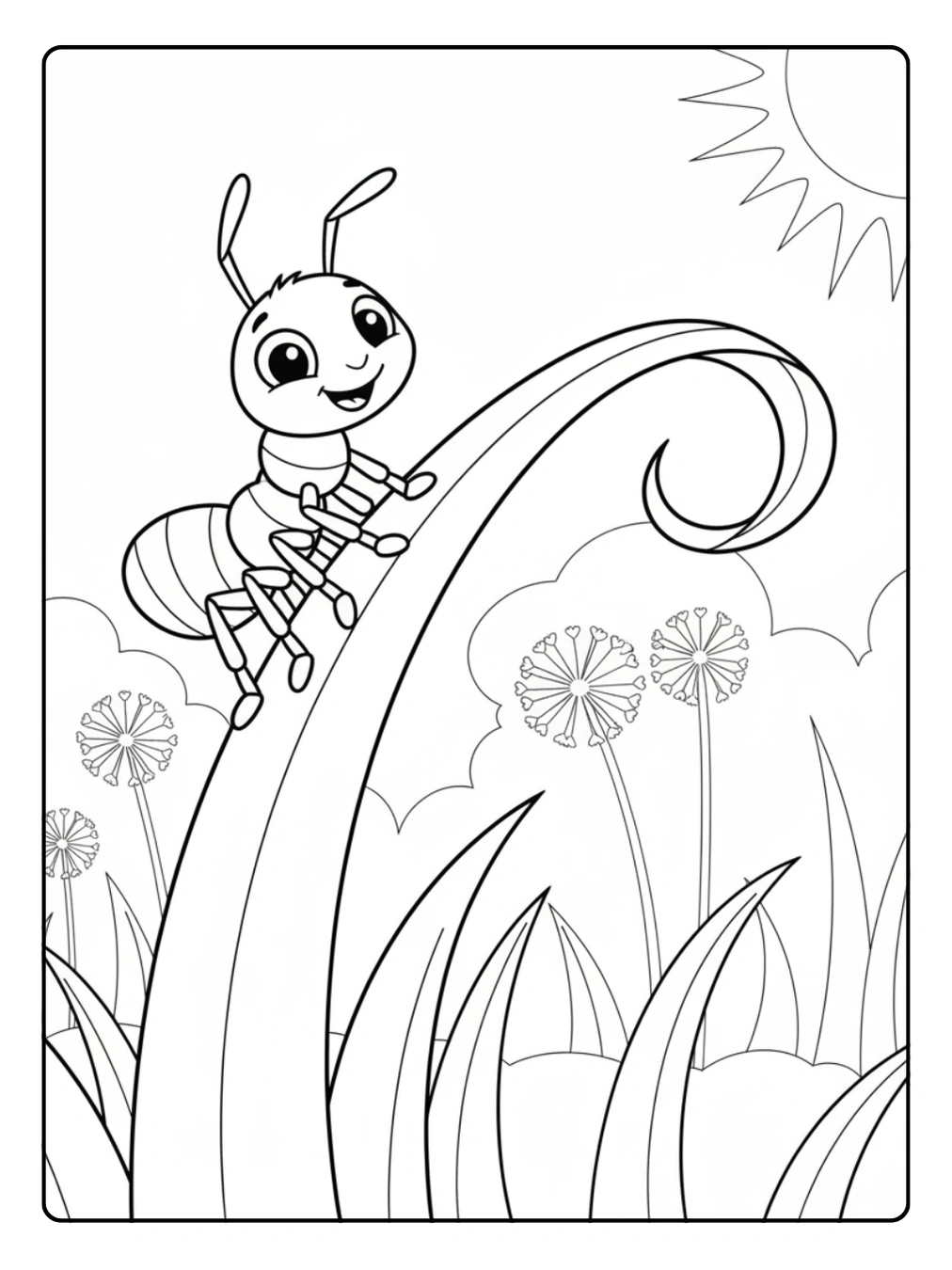 Ant Coloring Page Climbing a Grass Blade
I was sitting in the backyard yesterday watching a tiny scout ant navigate a “mountain” (it was actually just a discarded cracker crumb), and it hit me—ants are basically the superheroes of the insect world. They are organized, impossibly strong, and surprisingly fun to draw. That little backyard safari inspired me to pull together this collection of ant coloring pages for my kids and my own “quiet-time” coloring sessions. Whether you’re helping a toddler with fine motor skills or you’re a hobbyist looking for a detailed botanical scene, there is something uniquely satisfying about bringing these tiny architects to life.
Tiny Giants: Our Collection of Free Ant Coloring Pages
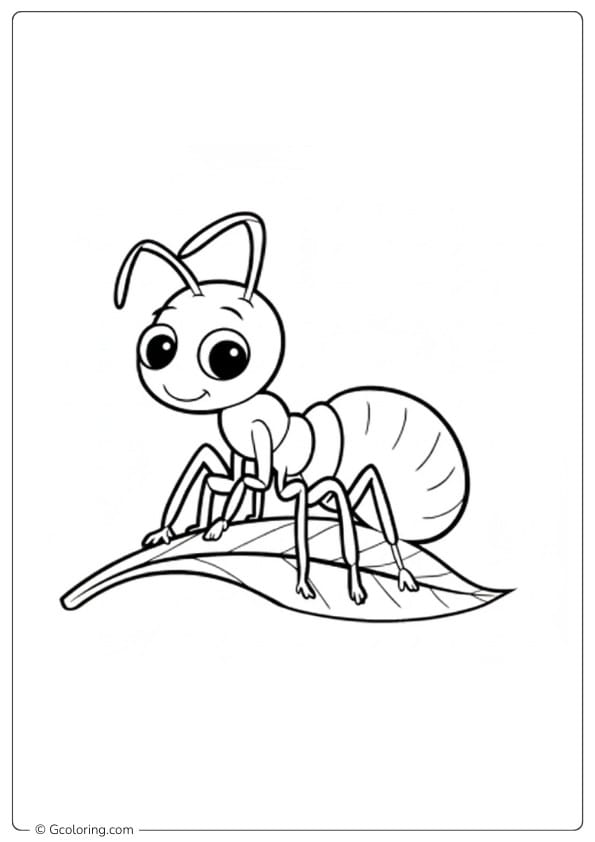
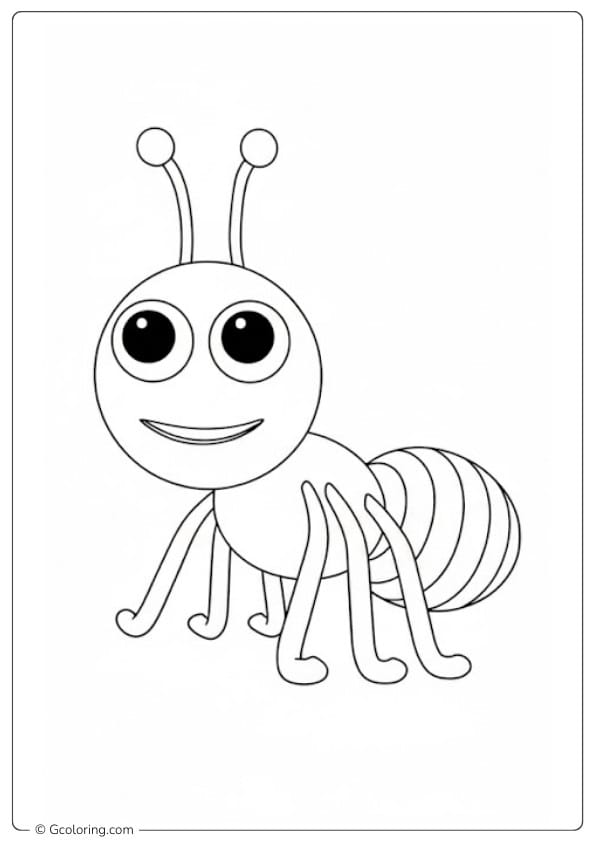
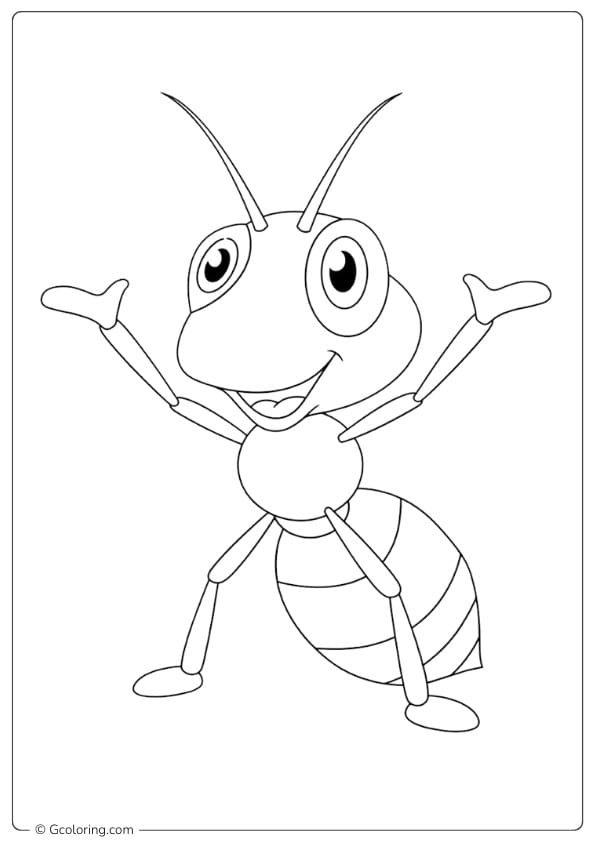
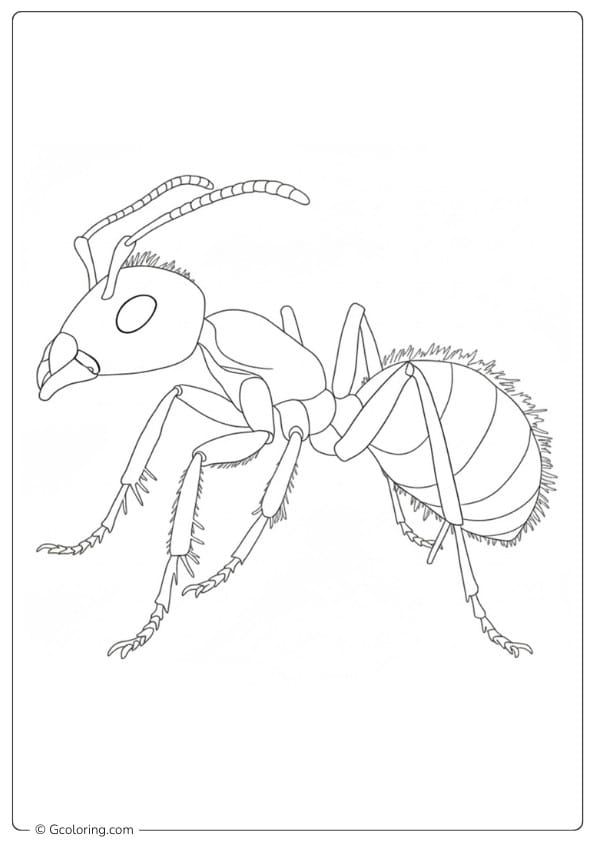
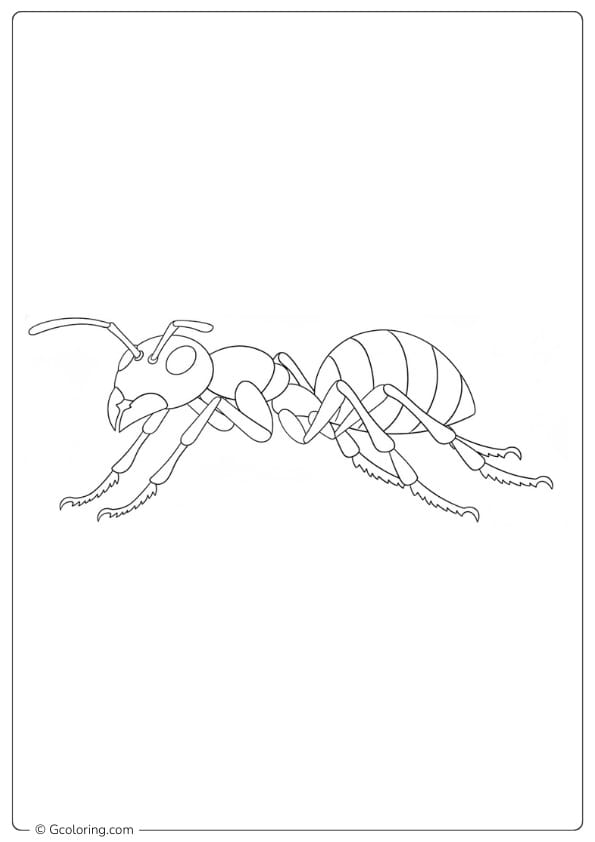
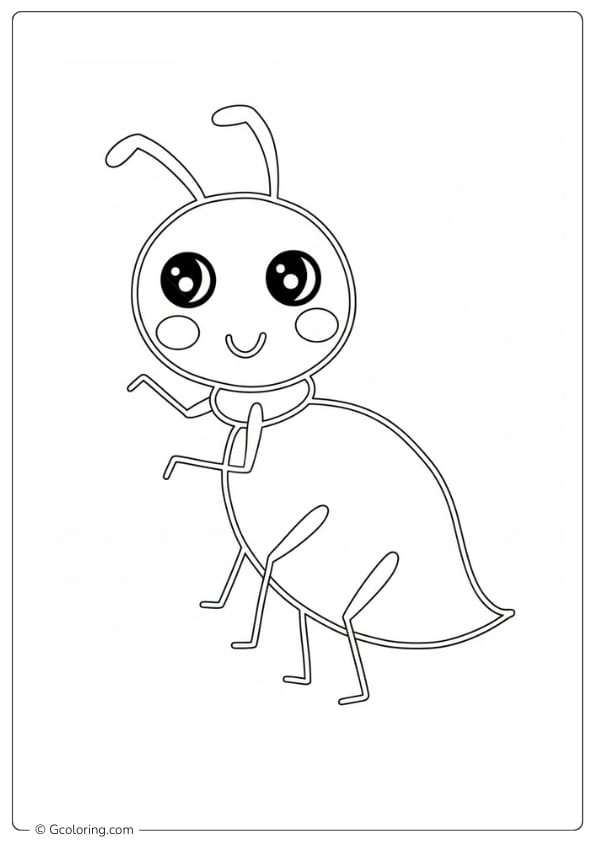
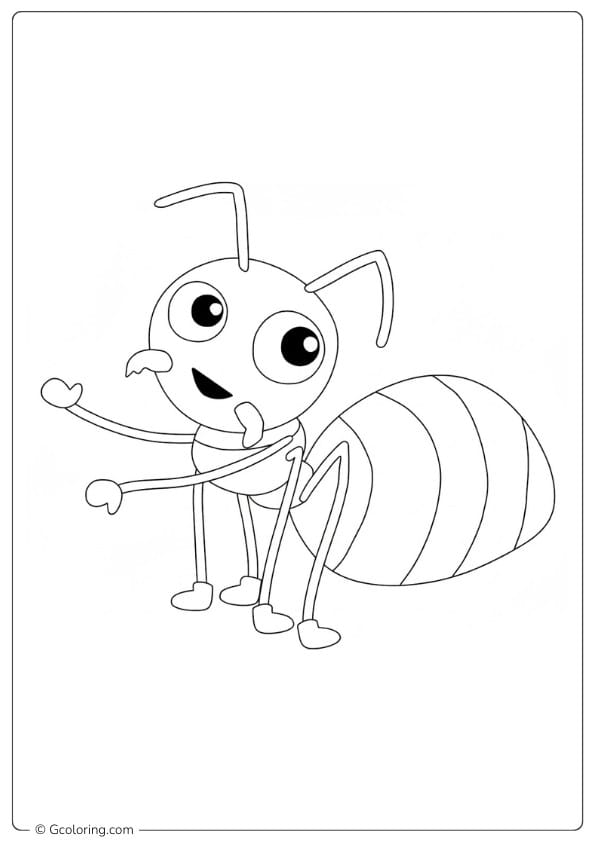
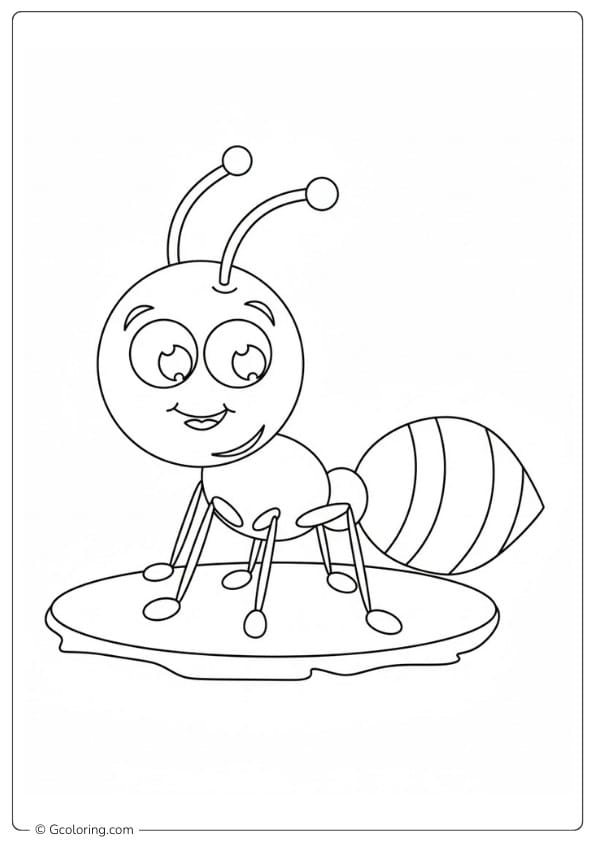
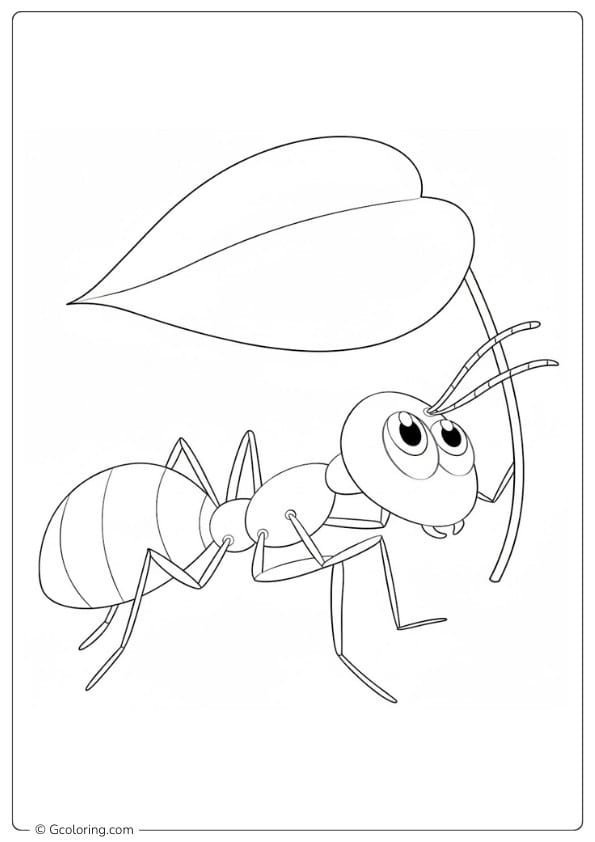
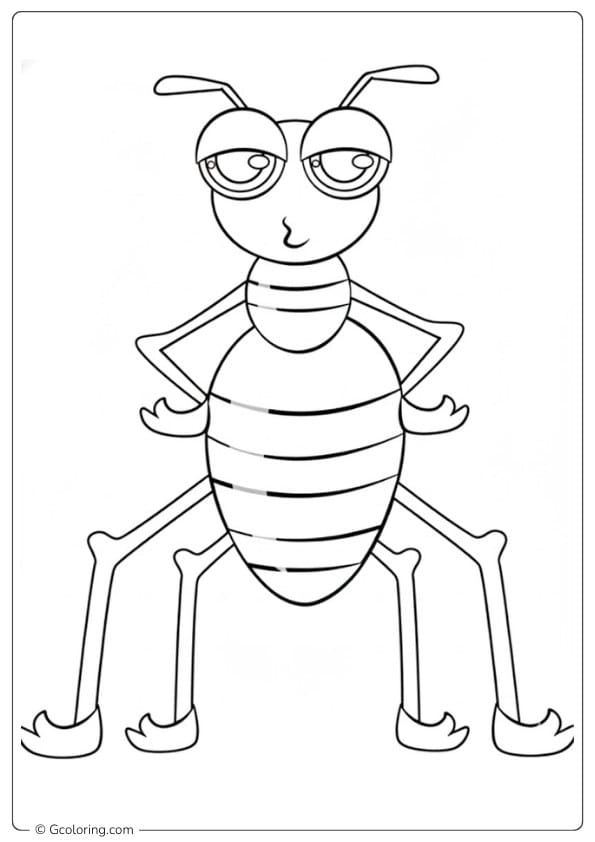
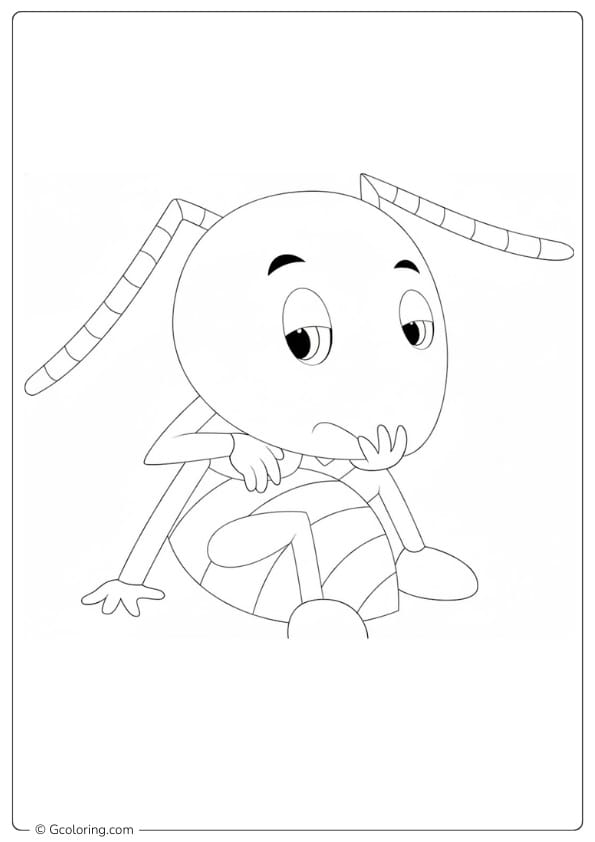
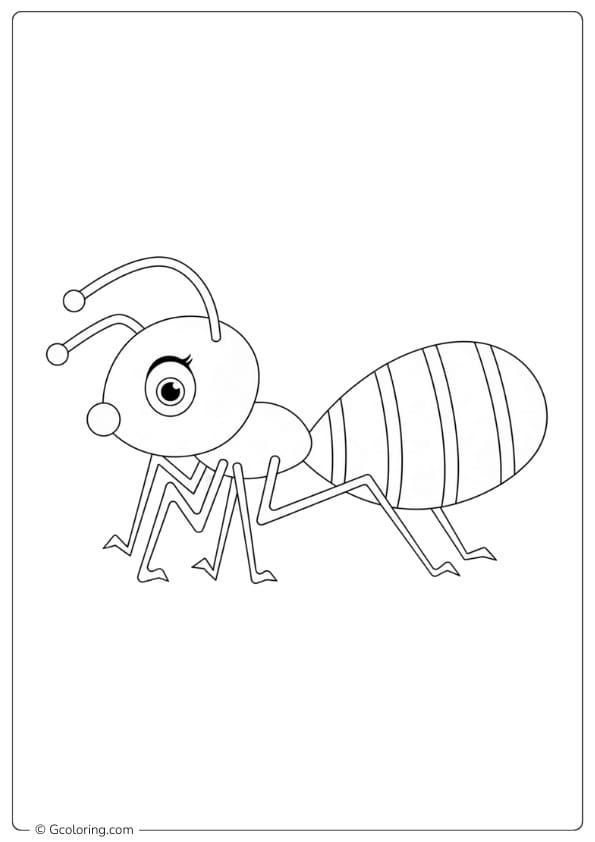
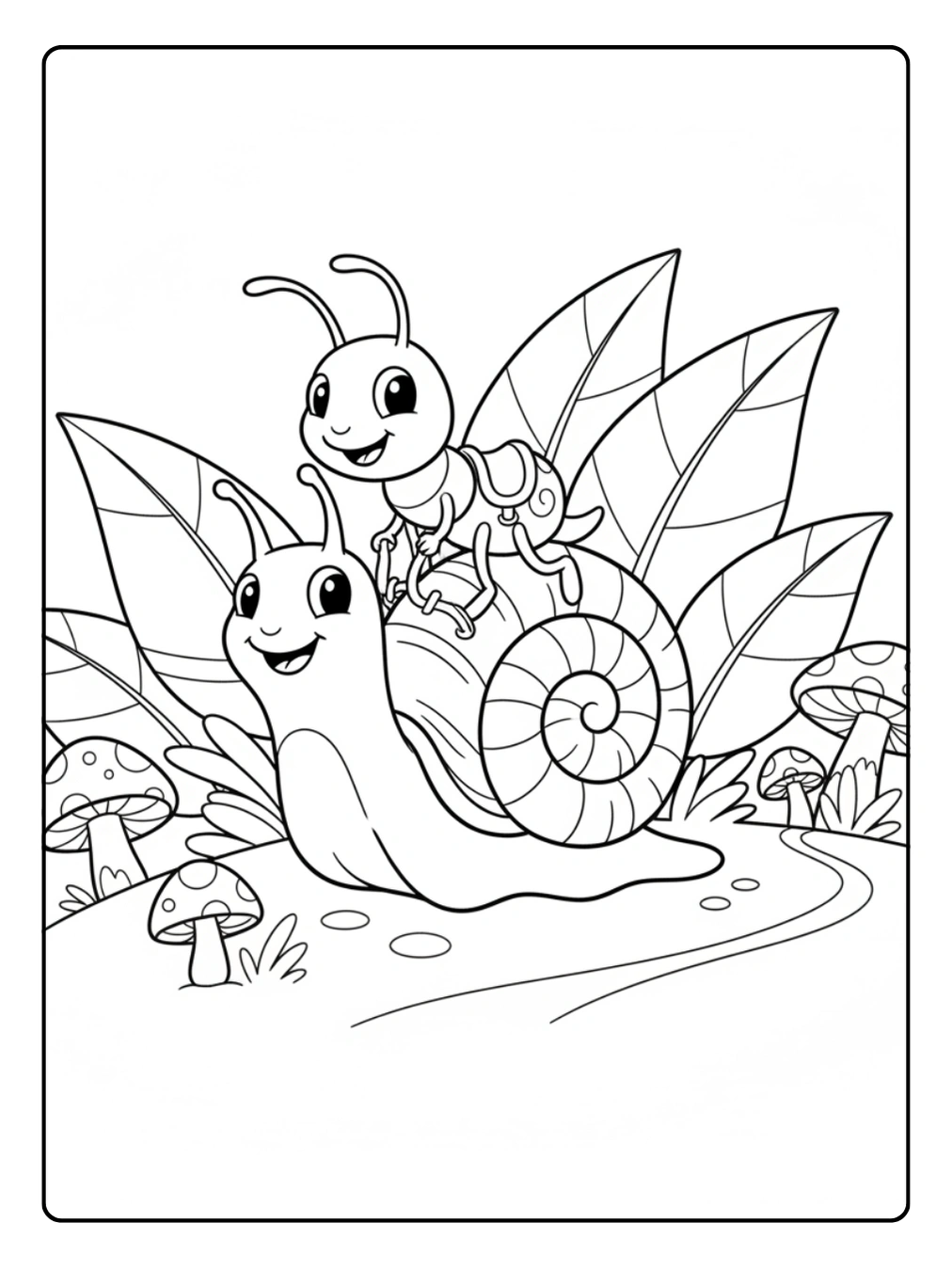
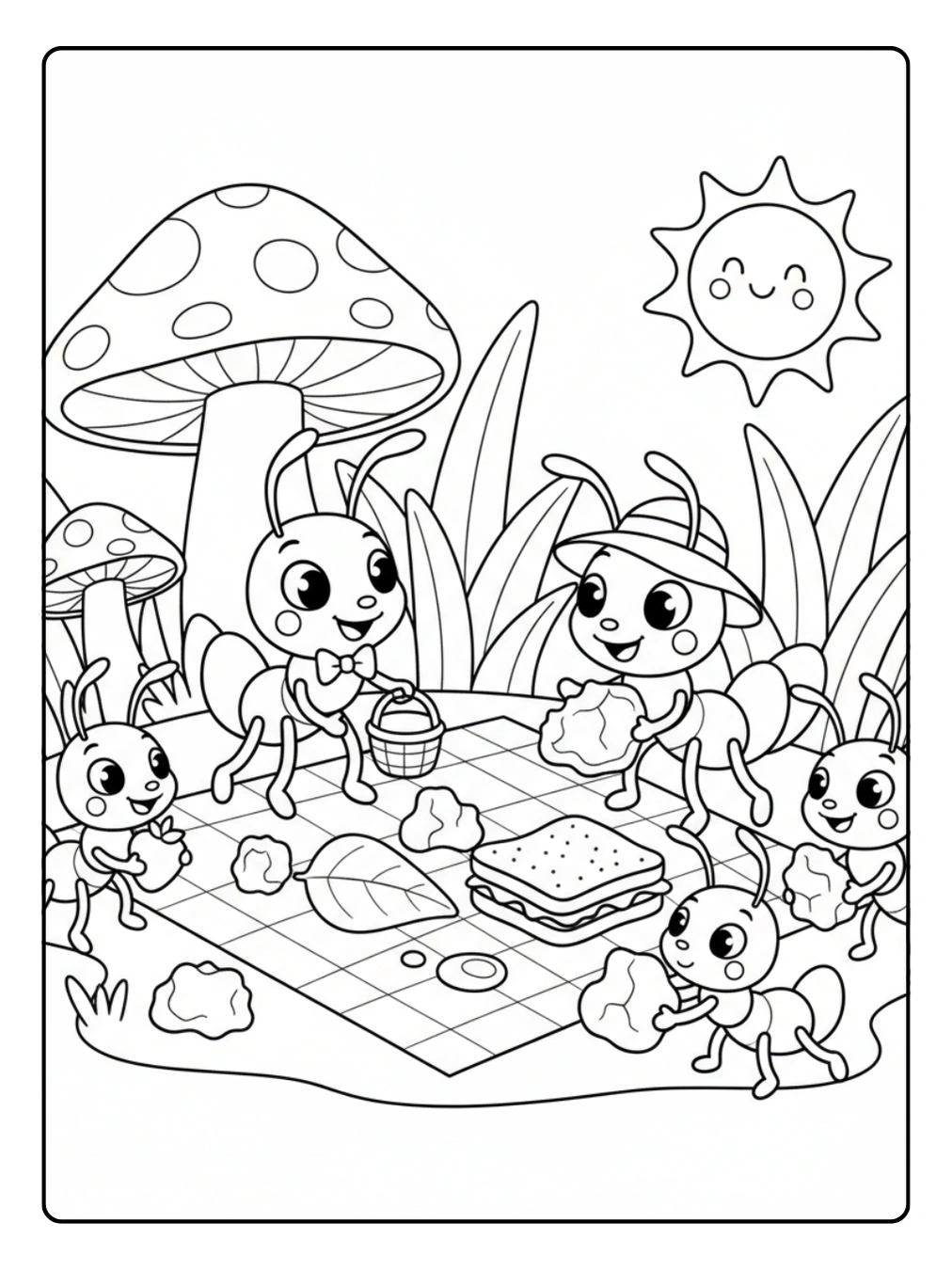
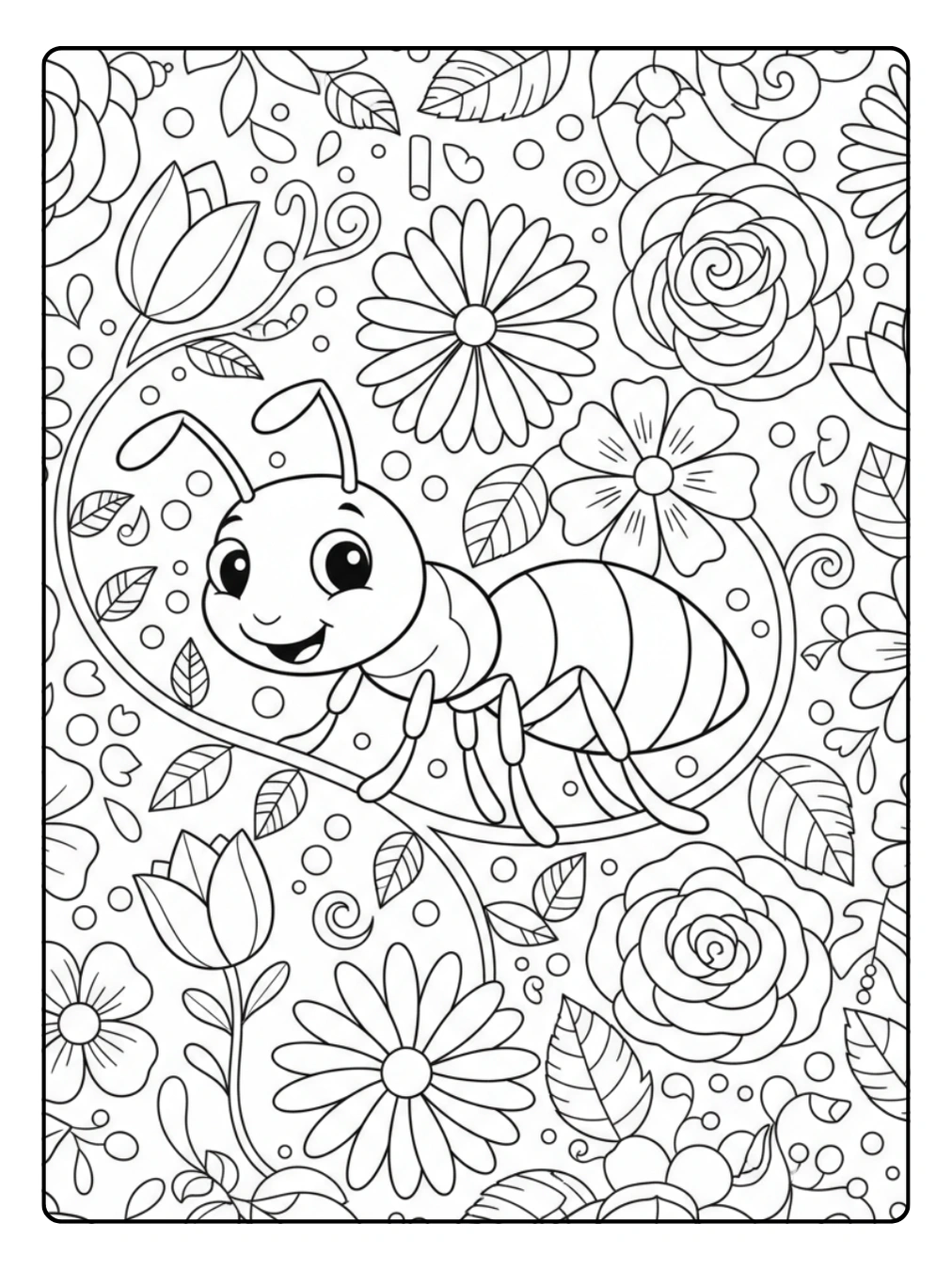
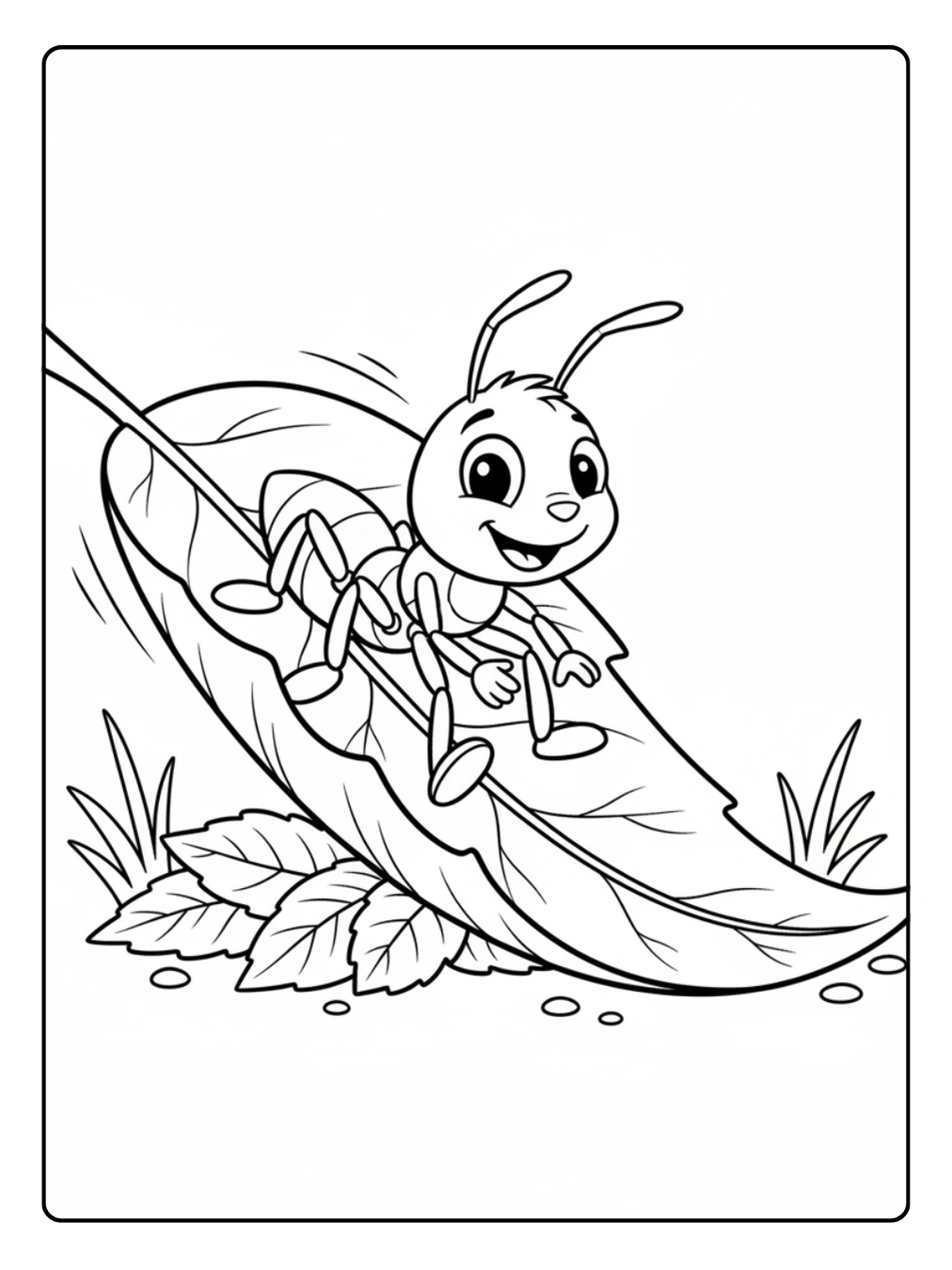
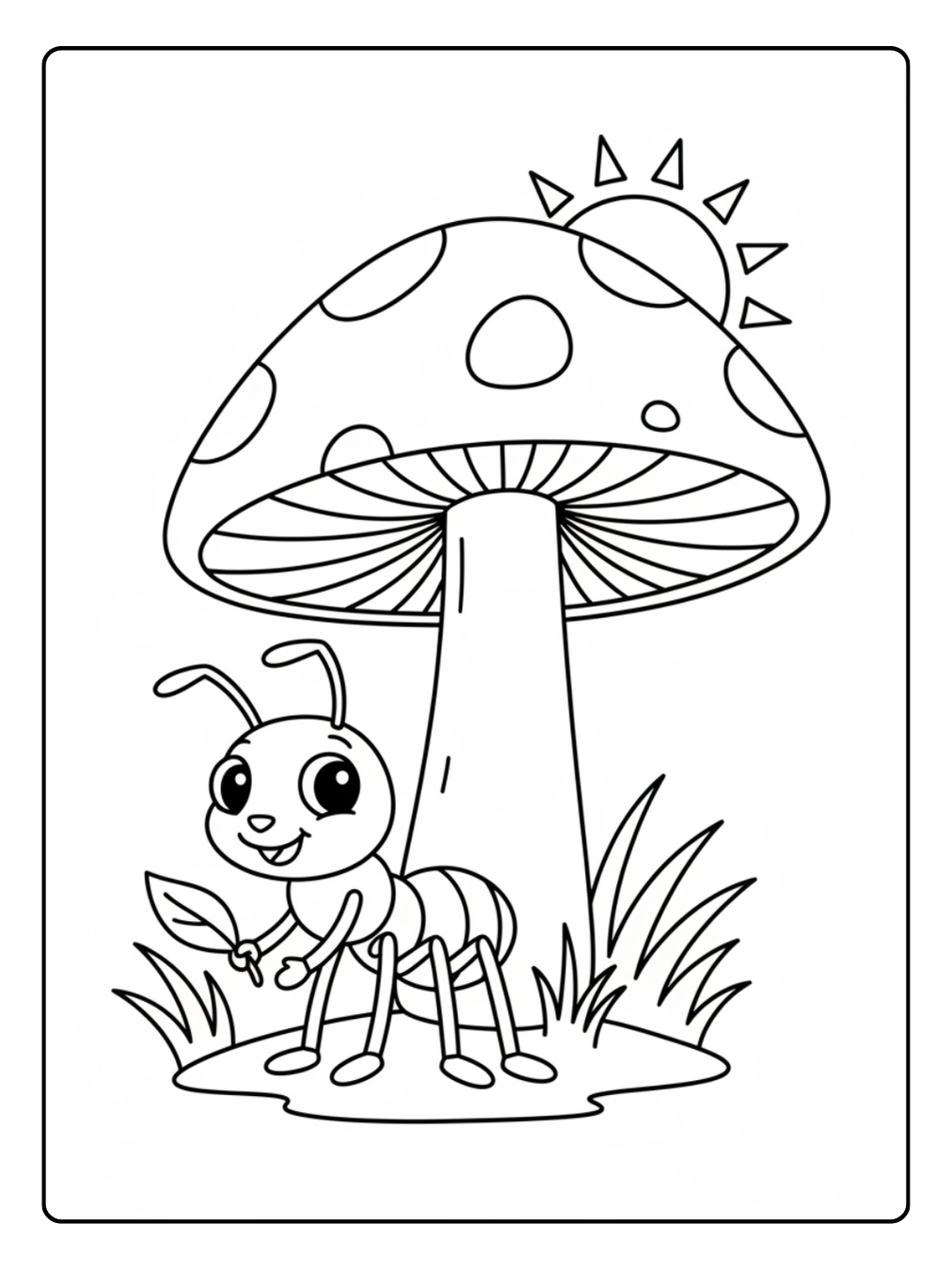
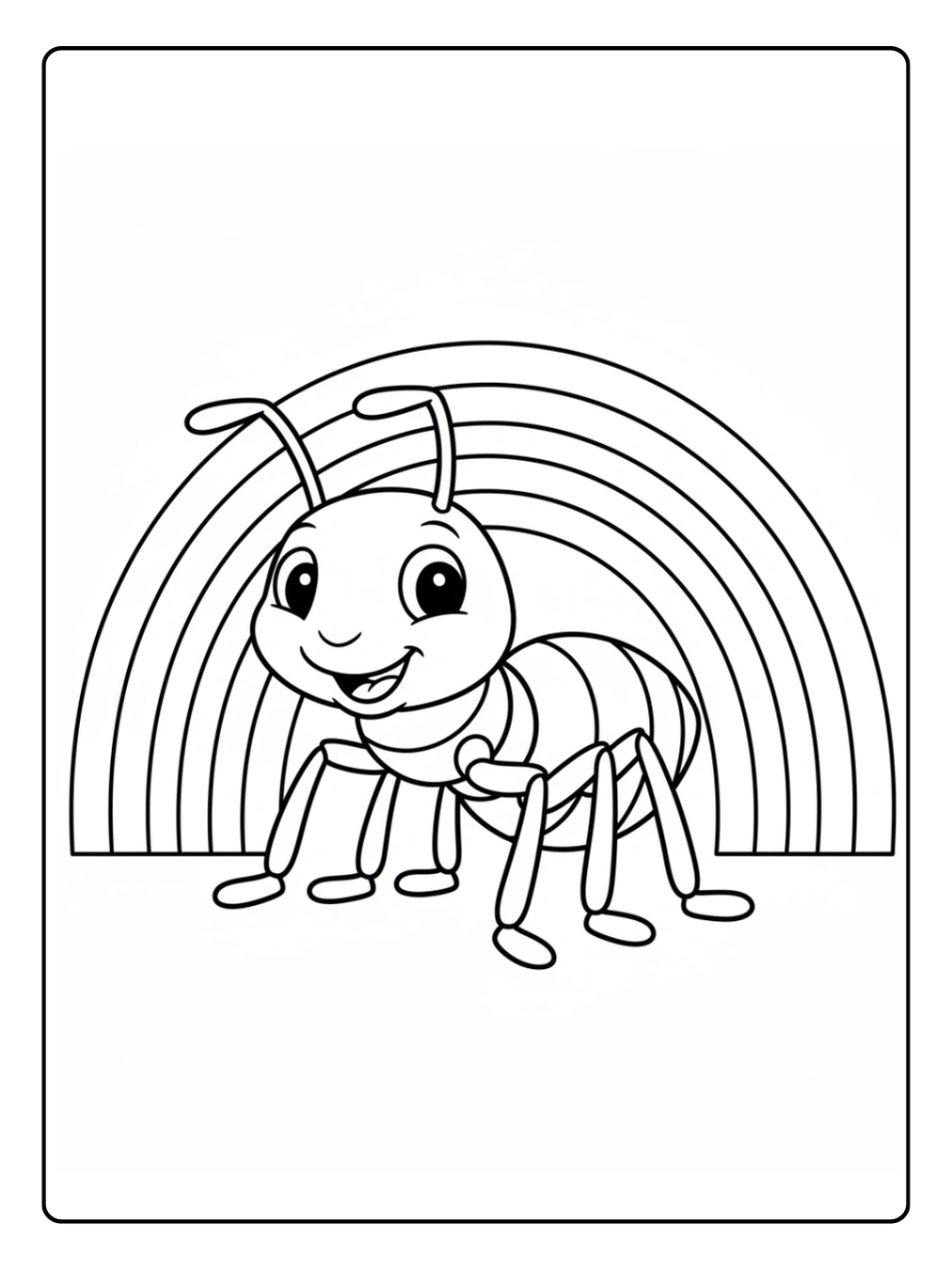
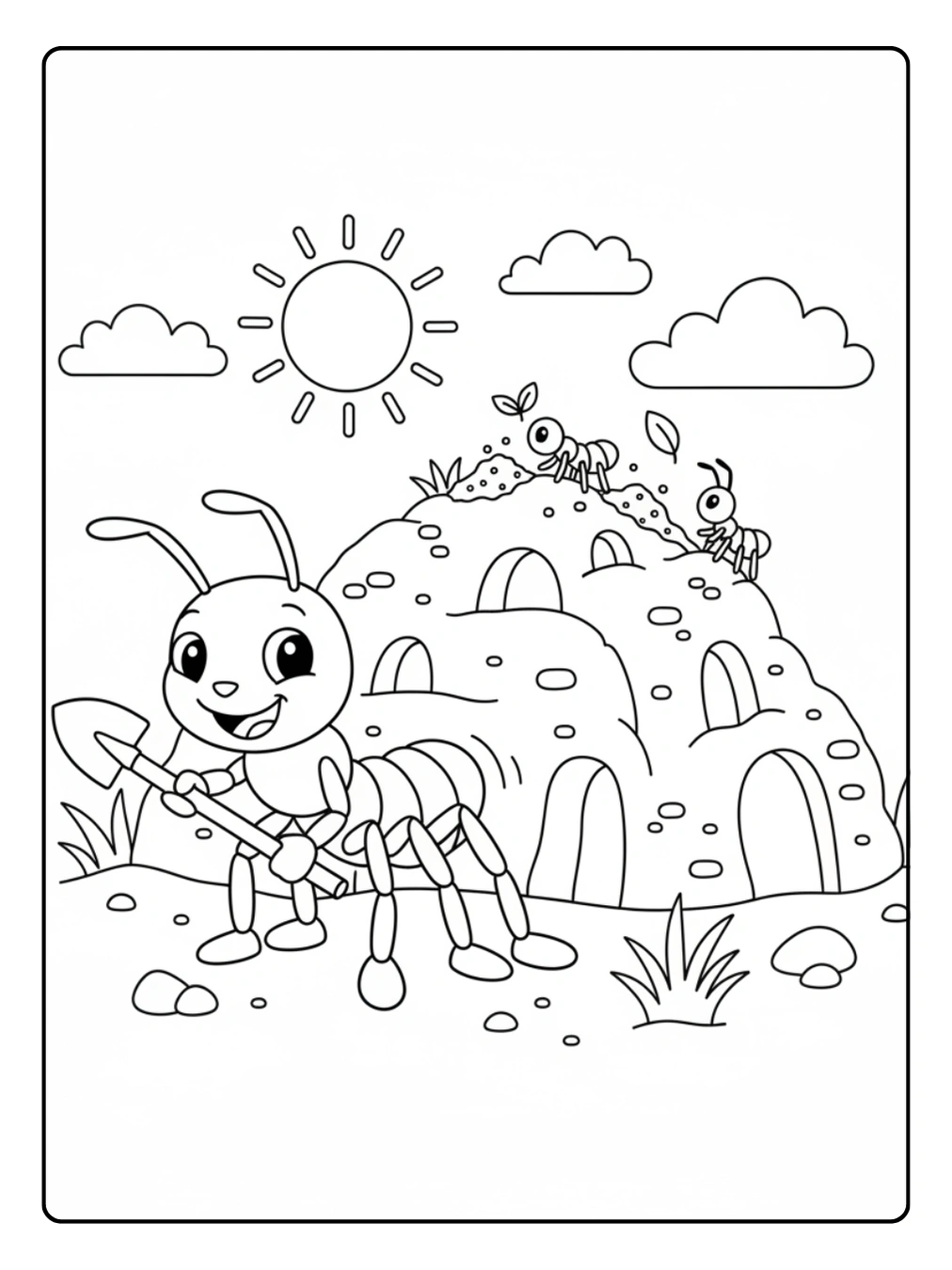
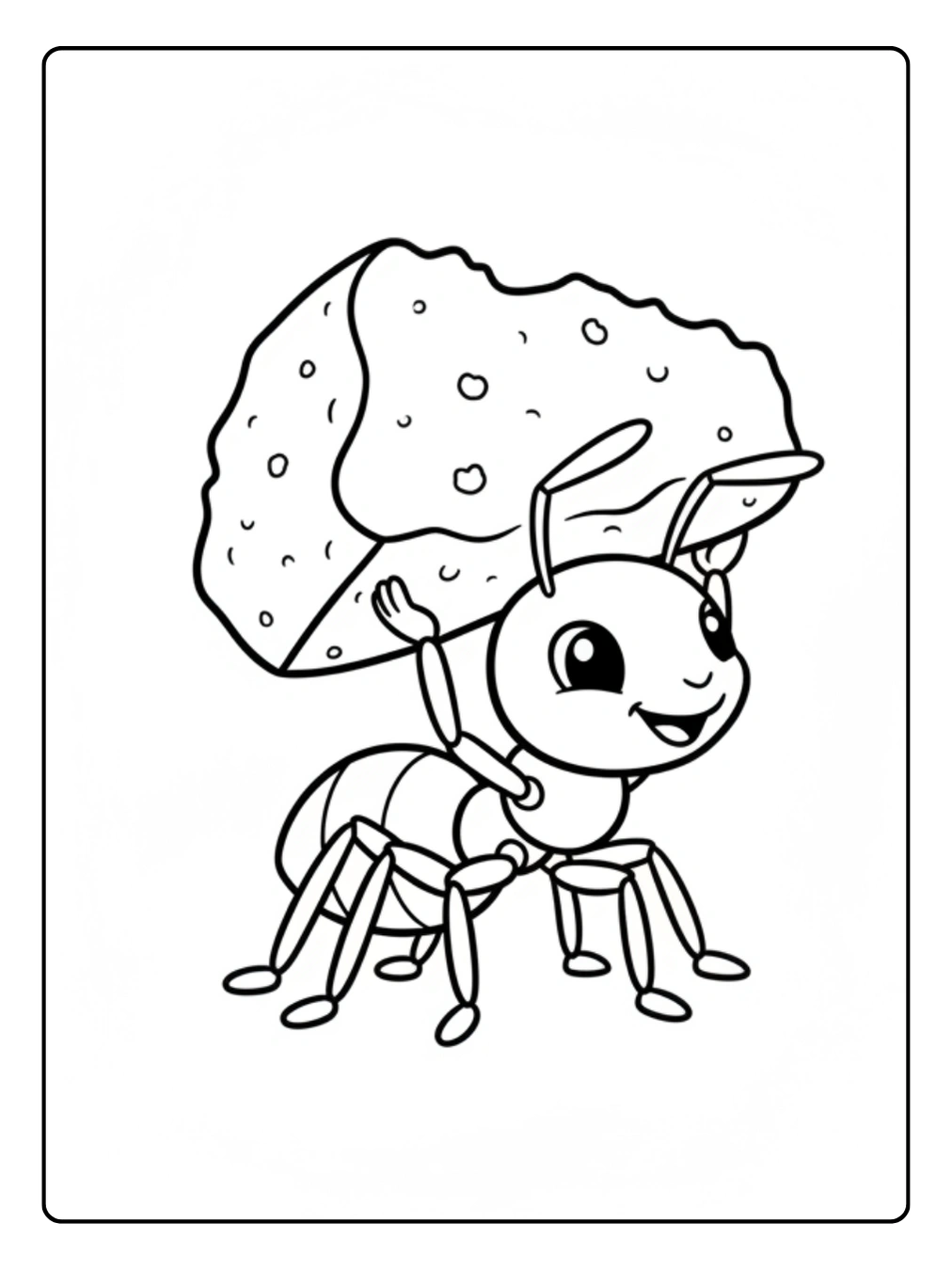
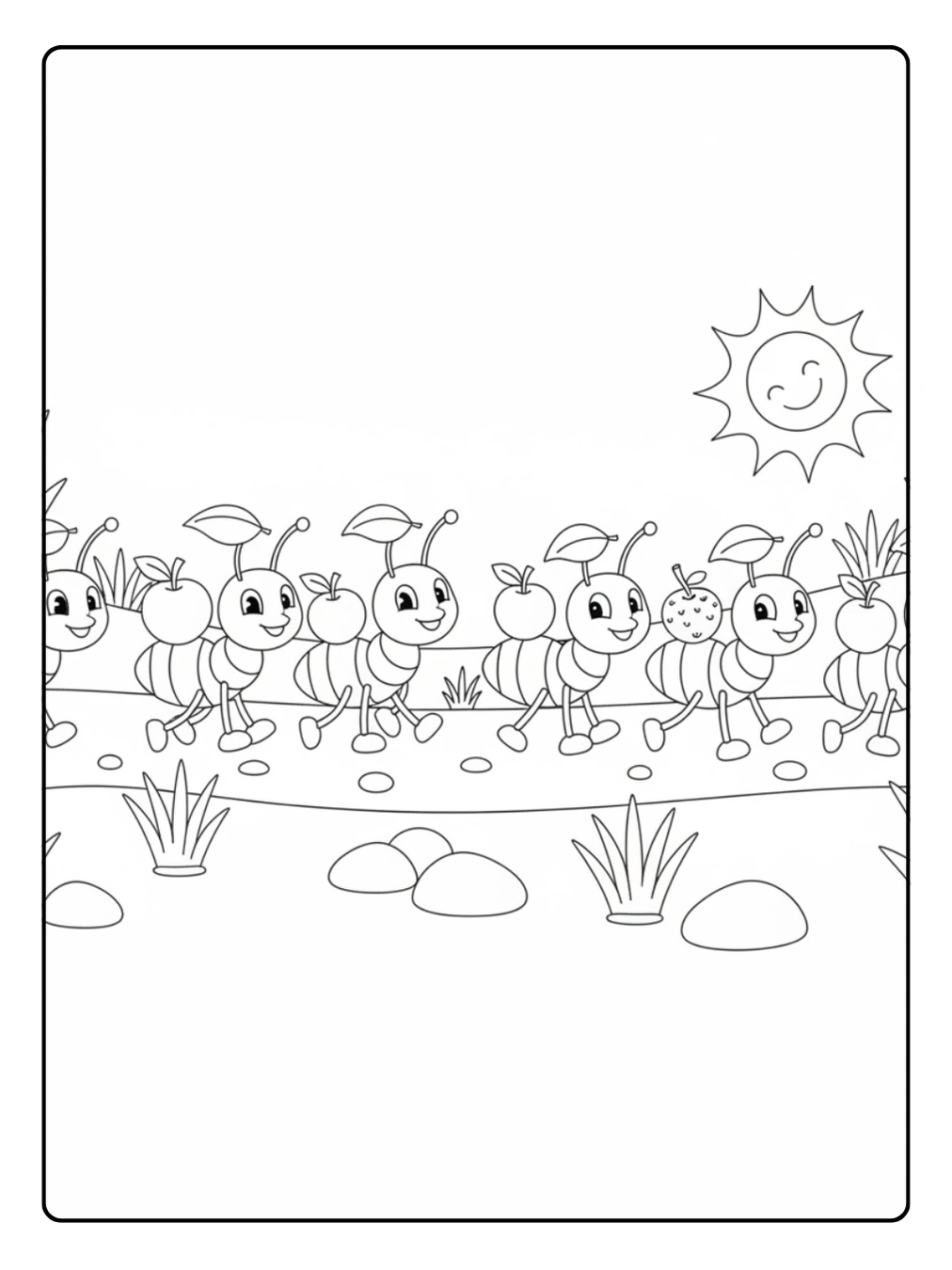
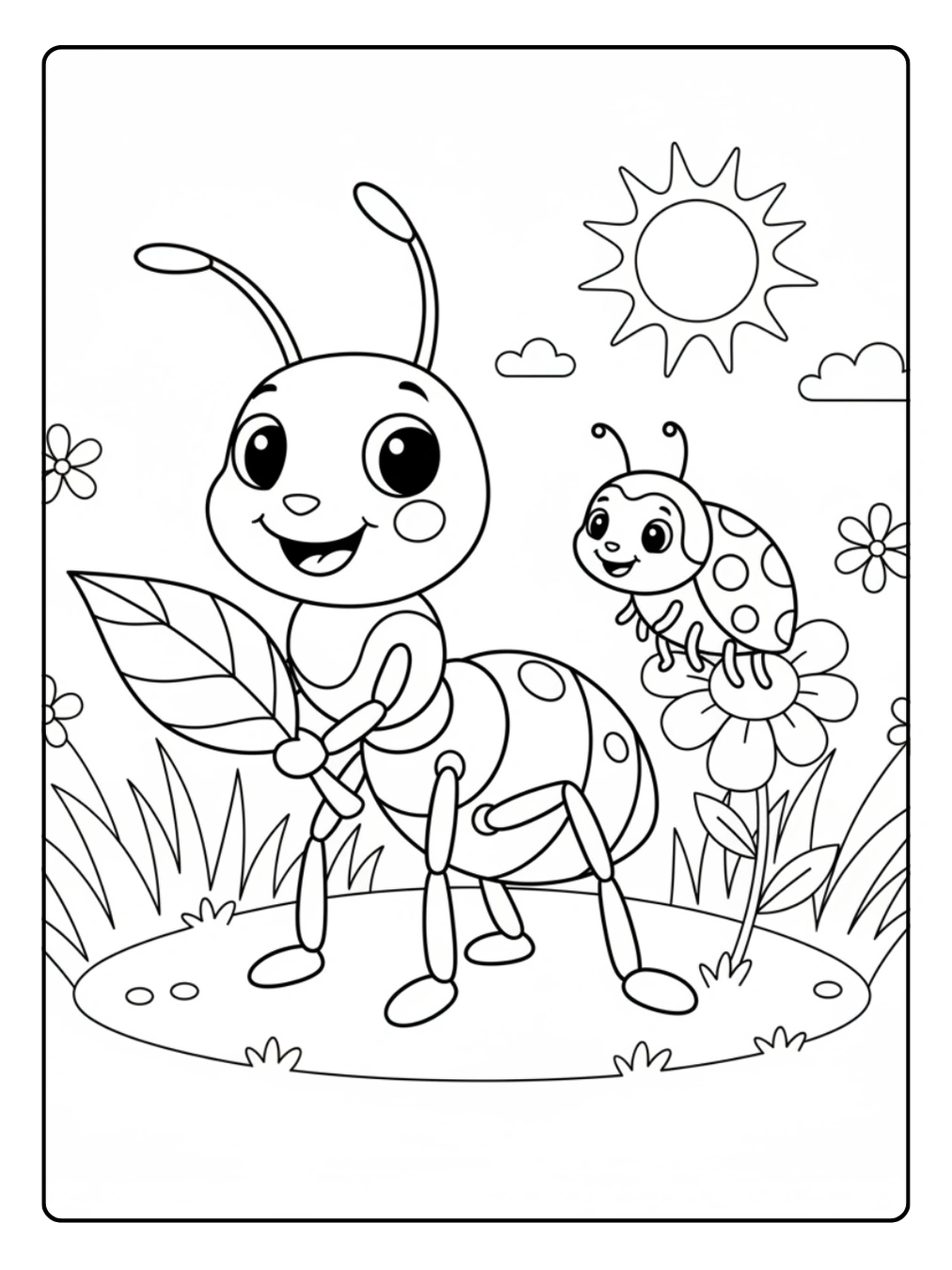
Mastering the “Shiny Exoskeleton” Look
Most people reach for a plain black or brown crayon and call it a day. But if you want your coloring page of an ant to really pop, we need to talk about texture. Ants have a chitinous exoskeleton that reflects light.
To get that “pro” look, I always start with a mid-tone brown or deep blue. Instead of filling in the entire body segment, leave a tiny sliver of white at the top of the head and the abdomen. This acts as a “specular highlight.” If you’re using colored pencils, layer a bit of dark purple or forest green into the shadows. It gives the insect a realistic, iridescent sheen that looks much more sophisticated than a flat black silhouette.
Quick Texture Tips:
- The Dot Method (Stippling): Use a fine-liner to add tiny dots near the joints. It creates depth without muddying the colors.
- Burnishing: Once you’ve layered your colors, go over the “fat” parts of the ant with a white pencil to blend the wax and create a smooth, polished finish.
Anatomy of a Coloring Page of an Ant
I’ve found that my kids stay engaged longer when they actually know what they’re coloring. It turns a simple activity into a mini-biology lesson. When you’re working on these coloring pages for ants, try to identify the three main body segments:
- The Head: Focus on the mandibles (the “pinchers”) and the antennae. I like to use a lighter shade for the antennae to make them look delicate.
- The Thorax: This is the engine room where all six legs are attached.
- The Abdomen: This is usually the largest part. It’s the perfect place to practice your gradients—going from a dark edge to a lighter center.
| Ant Part | Recommended Color Palette | Pro Tip |
| Mandibles | Slate Grey / Burnt Sienna | Keep the tips sharp and dark. |
| Legs | Deep Umber / Black | Use very thin lines; don’t over-saturate. |
| Eyes | Glossy Black / Navy | Add a tiny white gel pen dot for a “sparkle.” |
DIY Craft: From Paper to 3D Ant Colonies
Don’t just let those coloring pages for ants sit in a folder! One of my favorite rainy-day activities is turning these 2D sheets into a 3D diorama.
First, have the kids color a variety of ants from the ant coloring pages provided above. Once they’re finished, cut them out carefully (leaving a small tab of paper at the bottom). Fold the tab back and glue it onto a piece of cardboard painted like a cross-section of an underground nest.
We used old shoe boxes for this. We painted the “tunnels” and “queen’s chamber,” then populated the colony with our colored cutouts. It’s a fantastic way to teach kids about social structures while letting them show off their artistic work.
Choosing the Right Tools for Tiny Details
Because ants have such thin legs and intricate segments, your tool choice matters. If you’re giving these coloring pages for ants to a preschooler, thick washable markers are fine. But for older kids or adults, I highly recommend:
- Fine-Liner Pens (0.3mm or 0.5mm): Perfect for those tiny segments and antennae.
- Water-Based Dual Brush Pens: You can use the brush end for the abdomen and the fine tip for the legs.
- Cardstock Paper: If you’re printing these at home, try using 65lb cardstock rather than standard printer paper. It prevents “bleeding” and allows you to layer colors without the paper pilling.
Coloring isn’t just about staying inside the lines; it’s about observing the world. Next time you see a line of ants on the sidewalk, take a second to look at their colors—they’re rarely just “black.” They’re mahogany, rust, amber, and obsidian. Bringing those observations back to your desk is what makes coloring a true art form.