- Gcoloring
- »
- coloring pages animals
- »
- 40+ Cute Otter Coloring Pages for Kids
40+ Cute Otter Coloring Pages for Kids
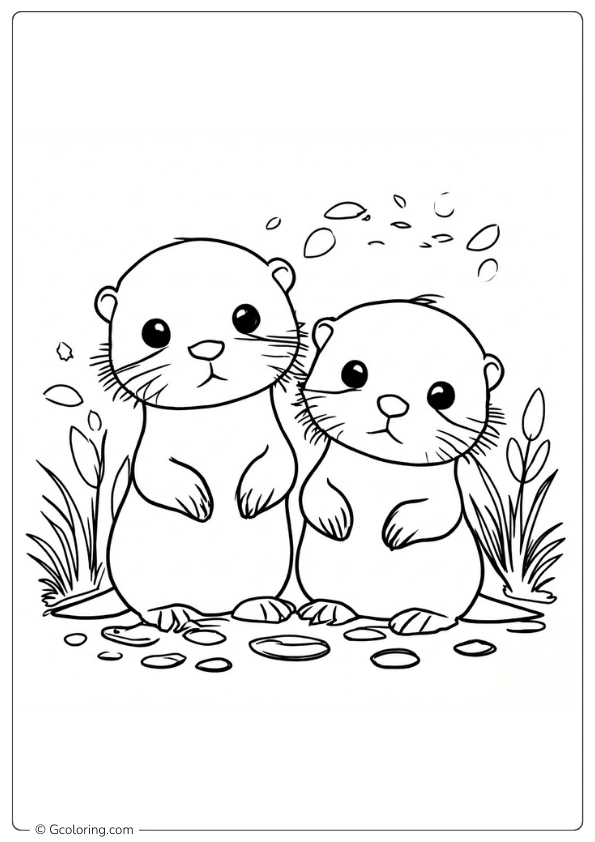 Otter Coloring Page
I was sipping my coffee yesterday when my youngest asked for “the floating teddy bear animals”—which, in kid-speak, means otters. There is something about their little paws and whiskered faces that makes everyone smile. As a long-time colorist and a parent who has printed a thousand sheets, I realized we needed a dedicated space for otter coloring pages. It’s not just about filling in shapes; it’s about capturing that playful energy. At Gcoloring, we’ve put together a collection that captures their “otterly” adorable nature perfectly.
My Favorite Otter Coloring Pages to Print and Color
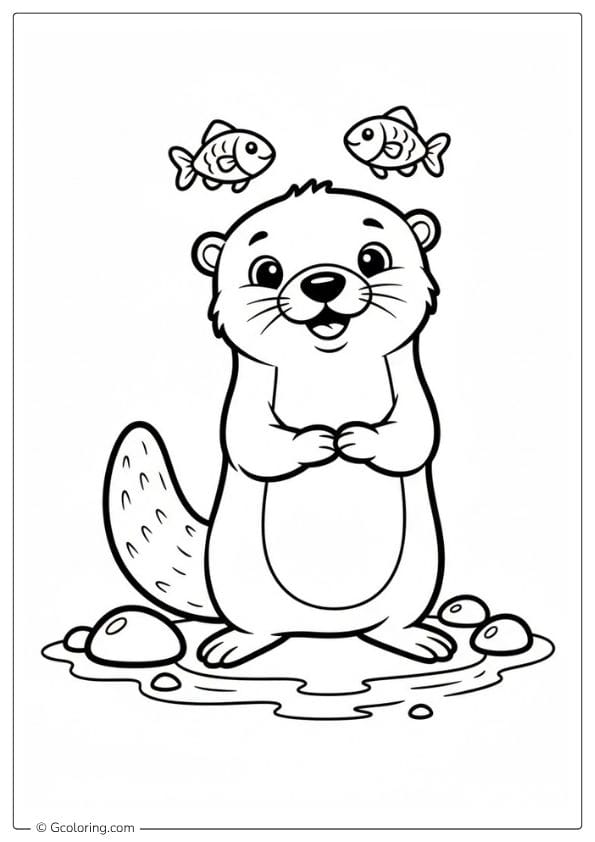
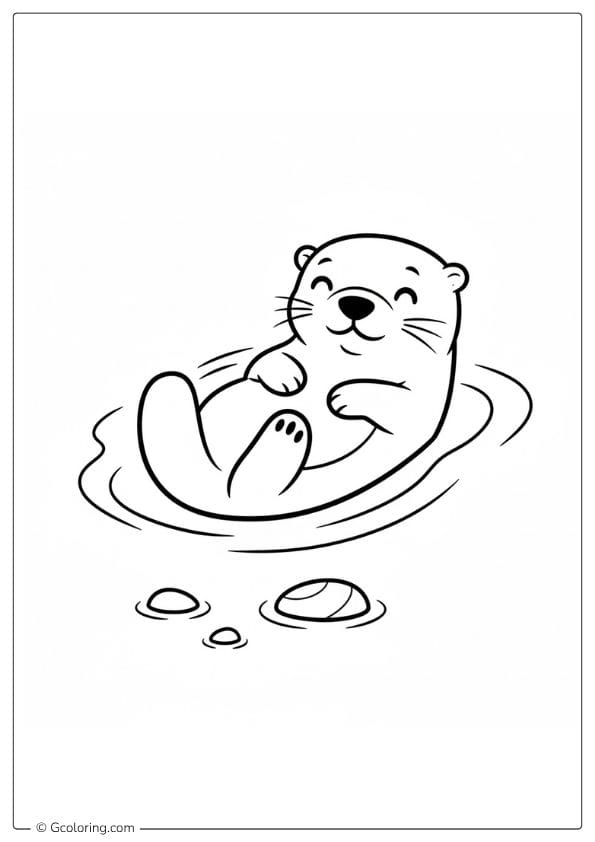
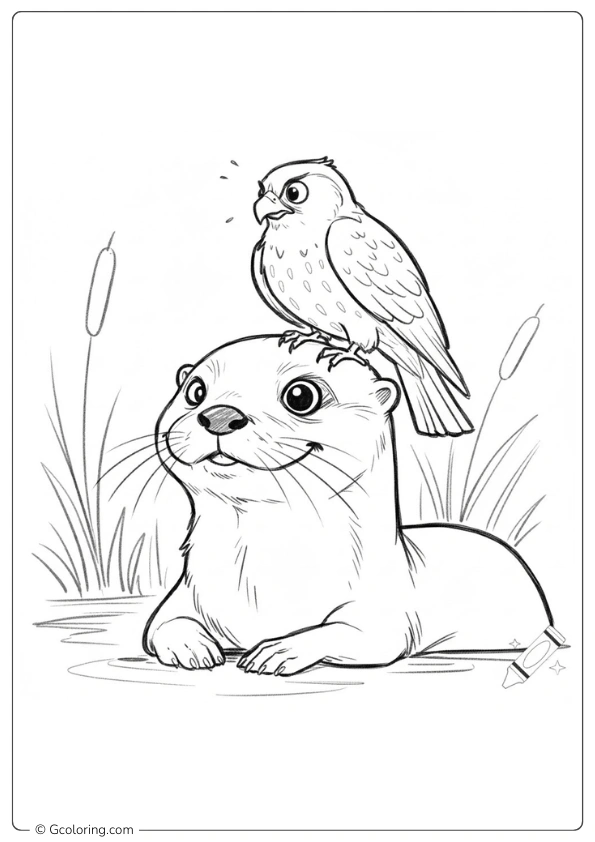
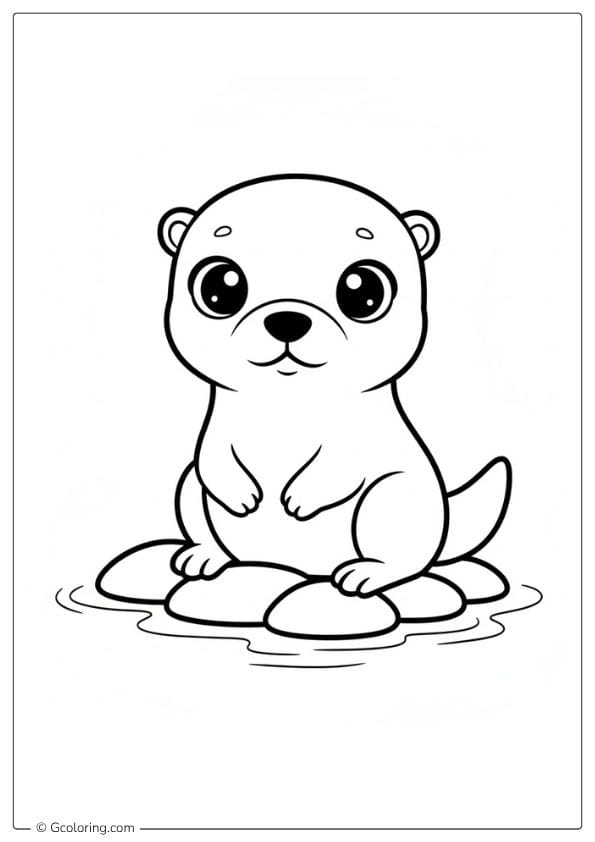
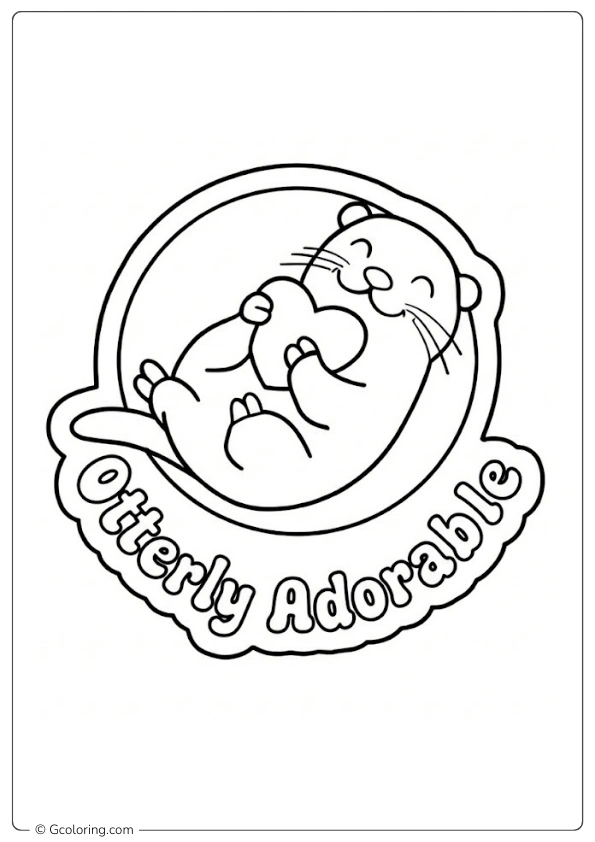
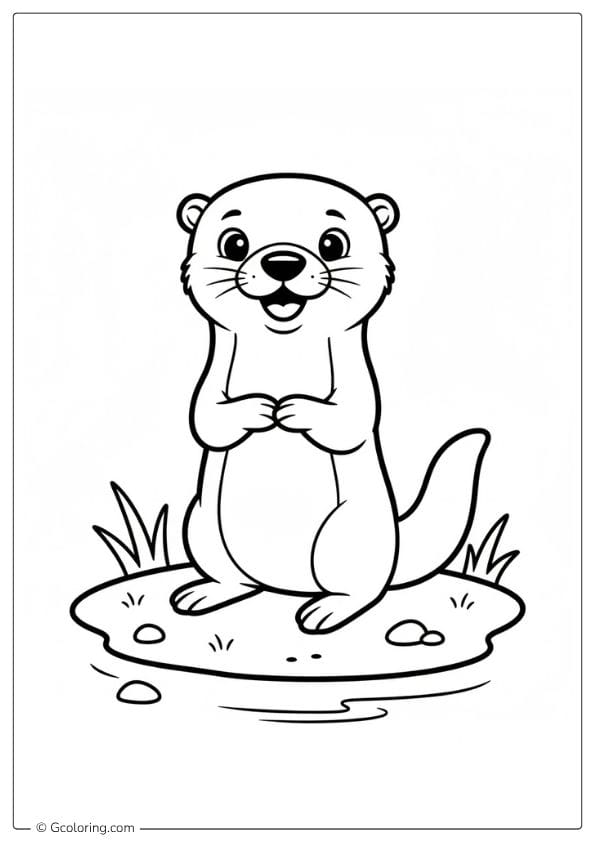
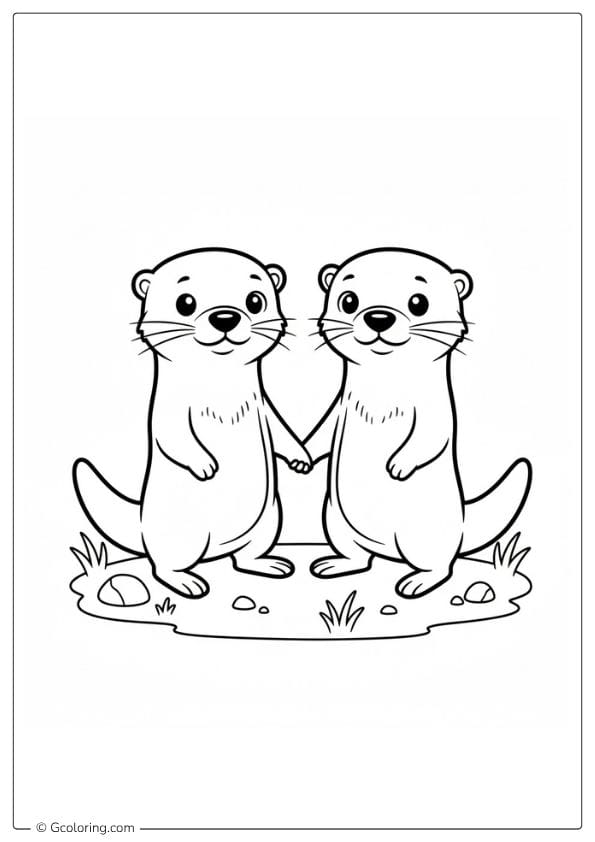
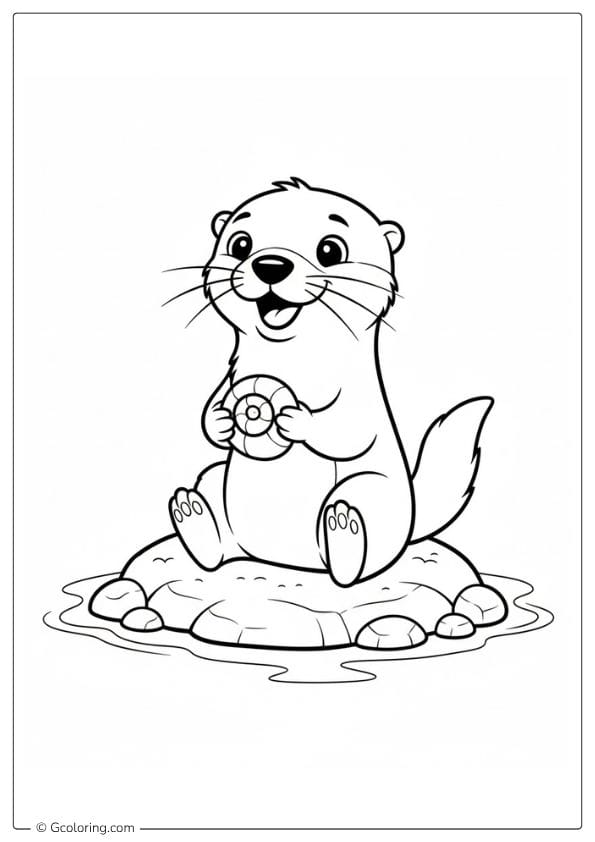
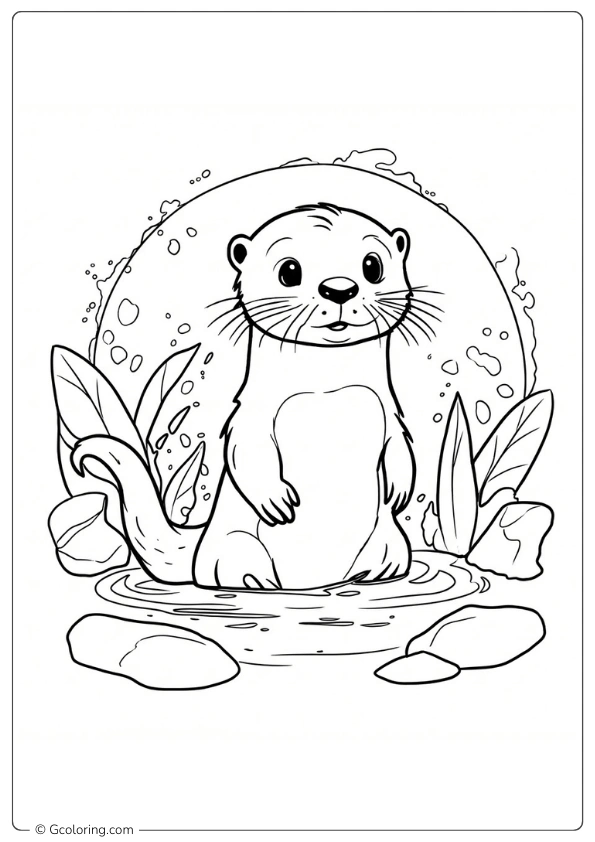
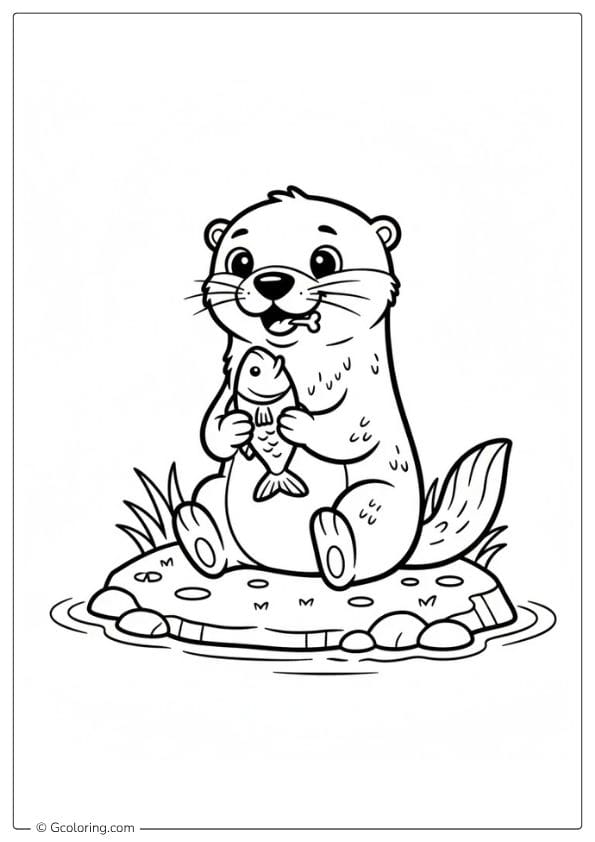
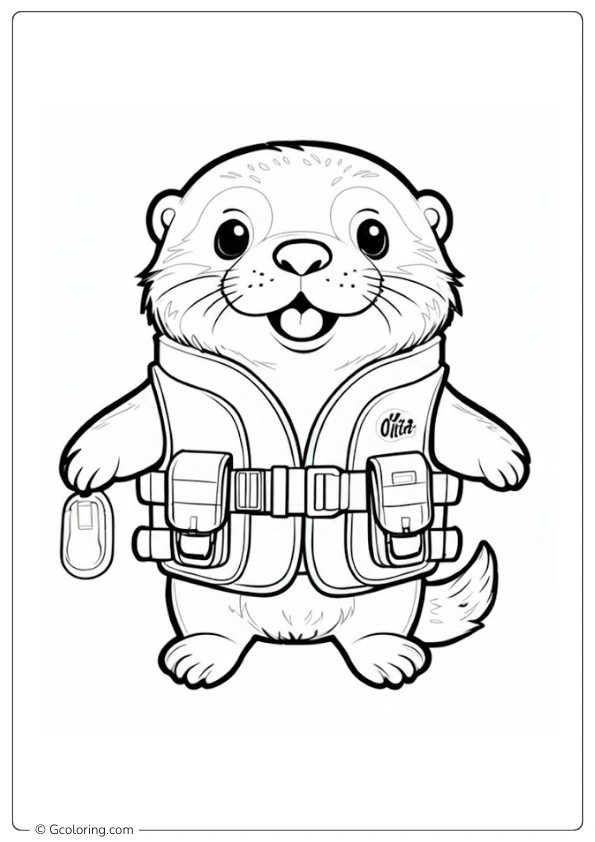
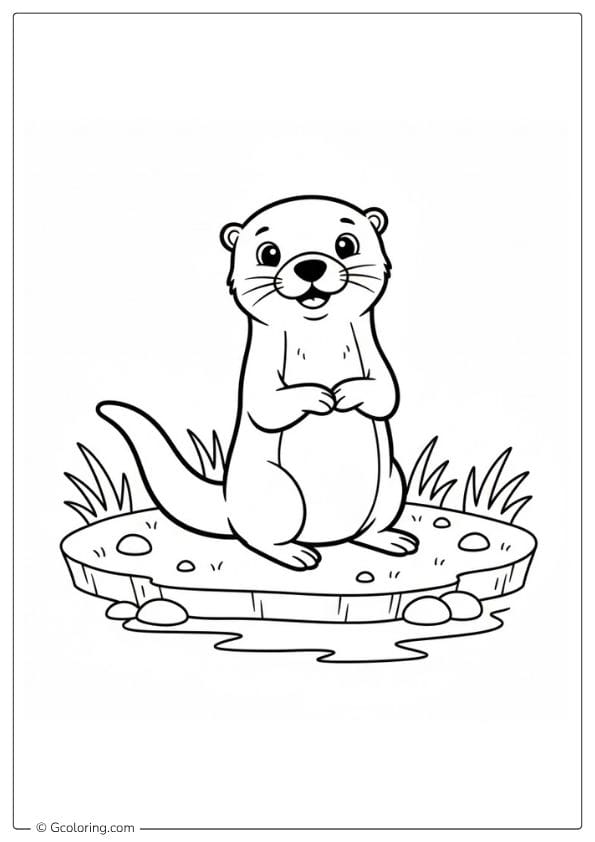
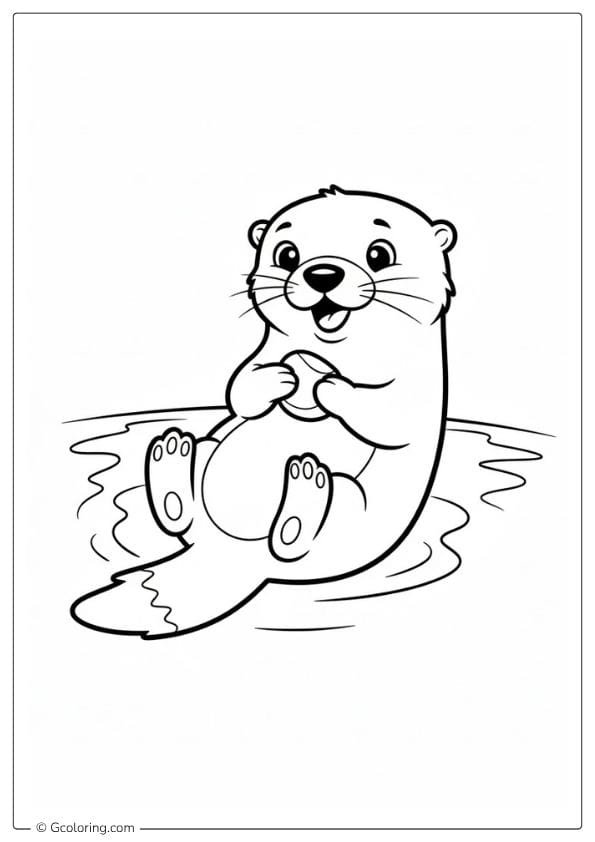
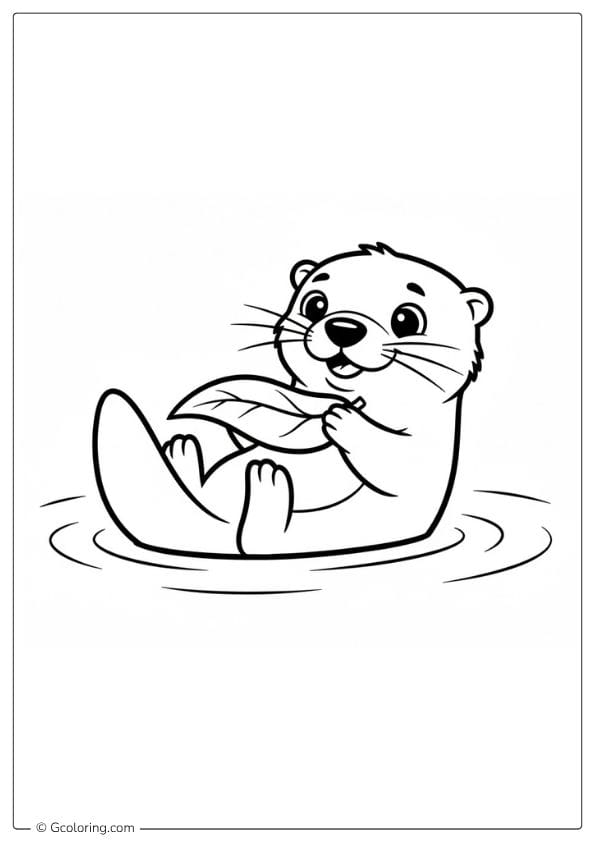
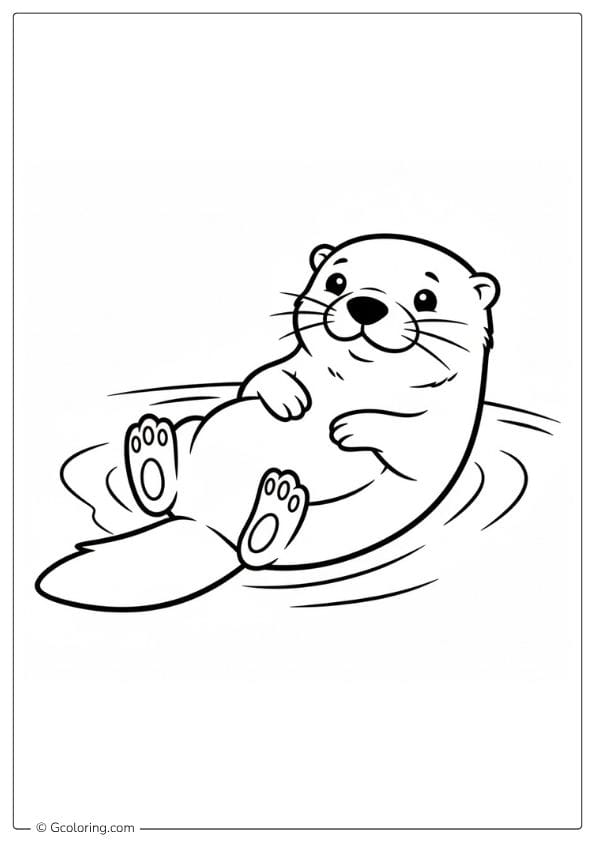
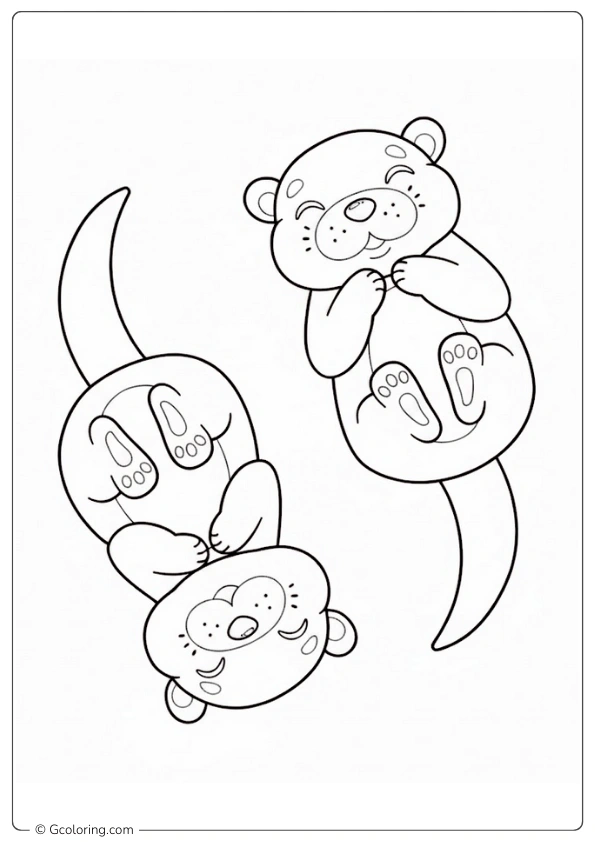
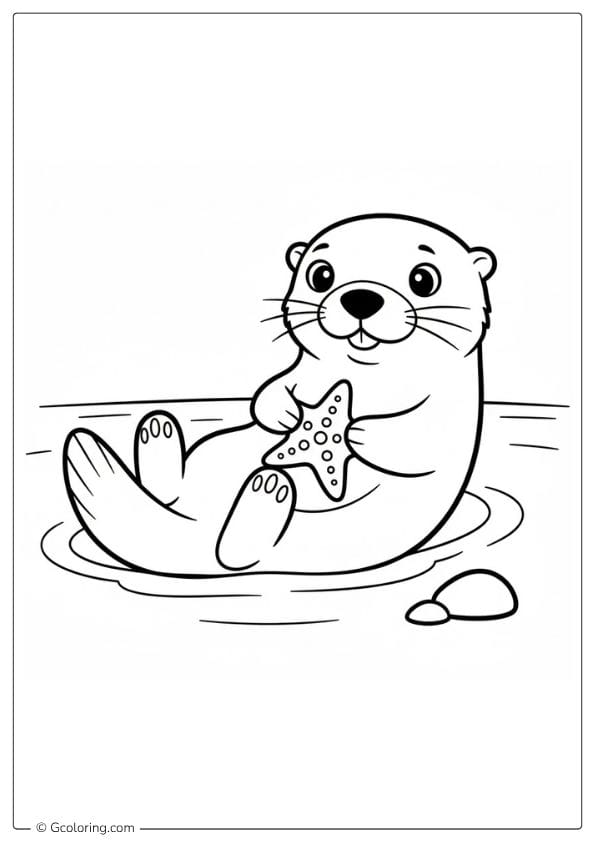
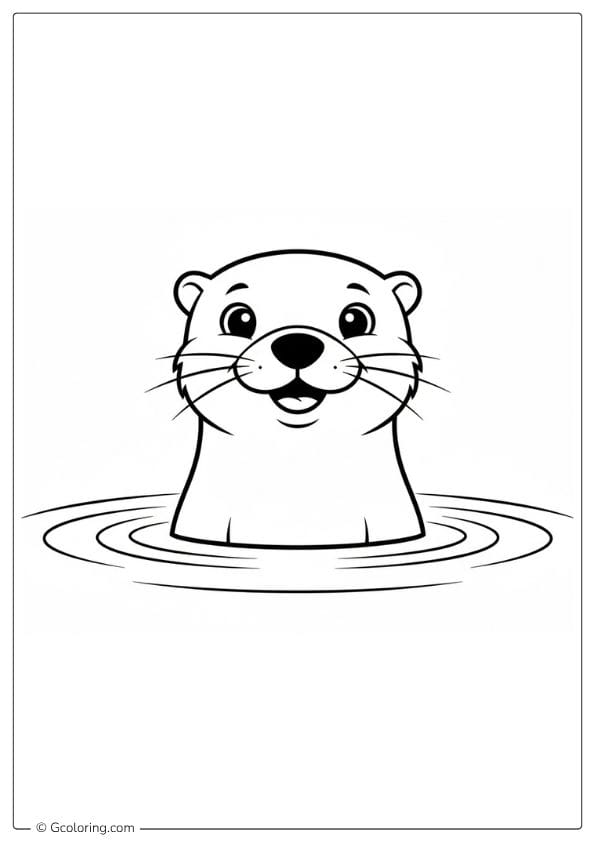
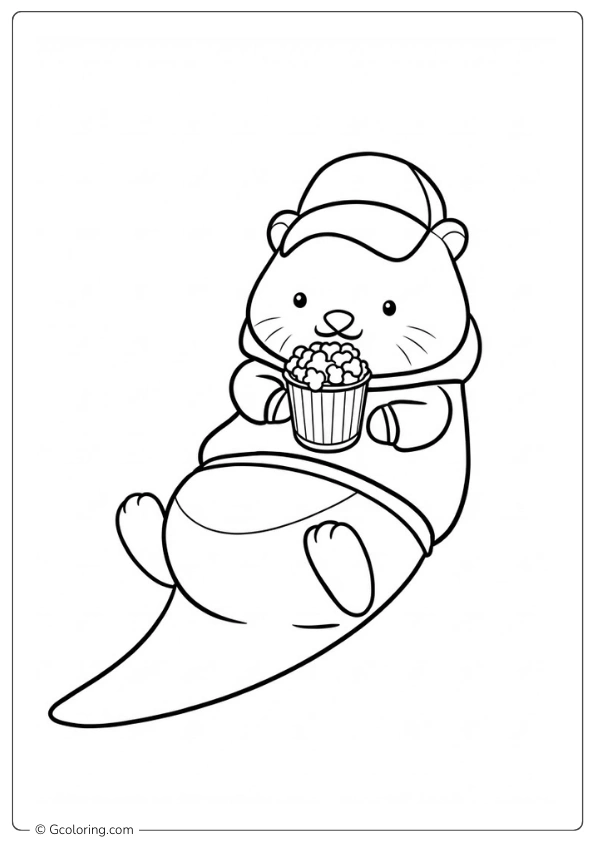
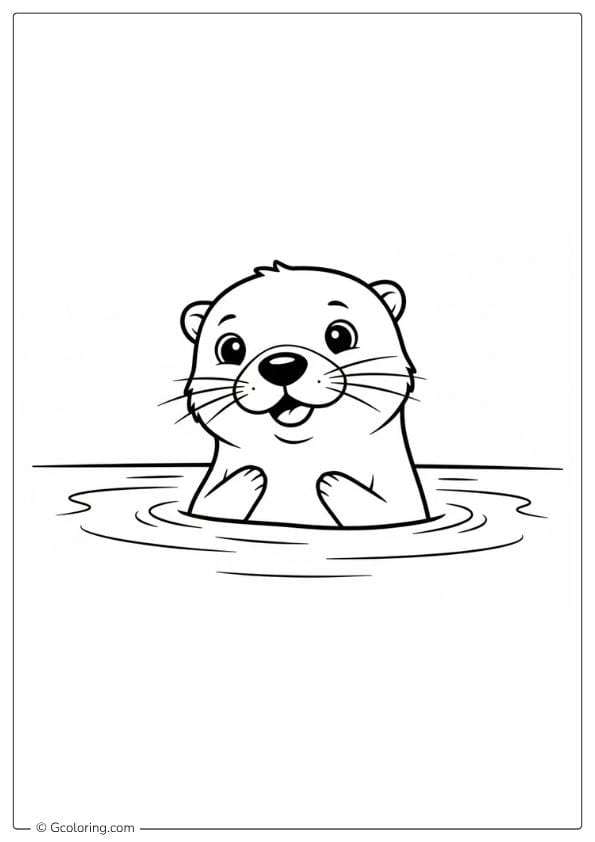
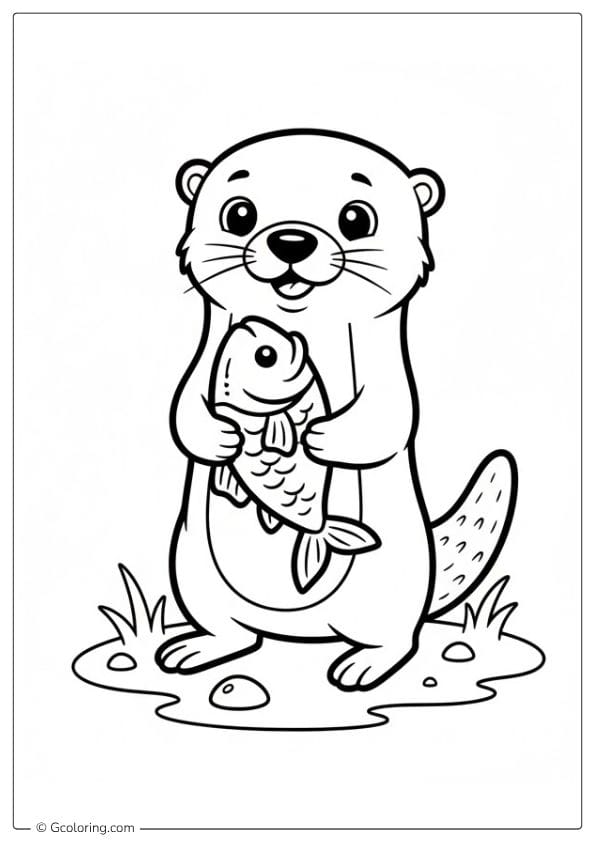
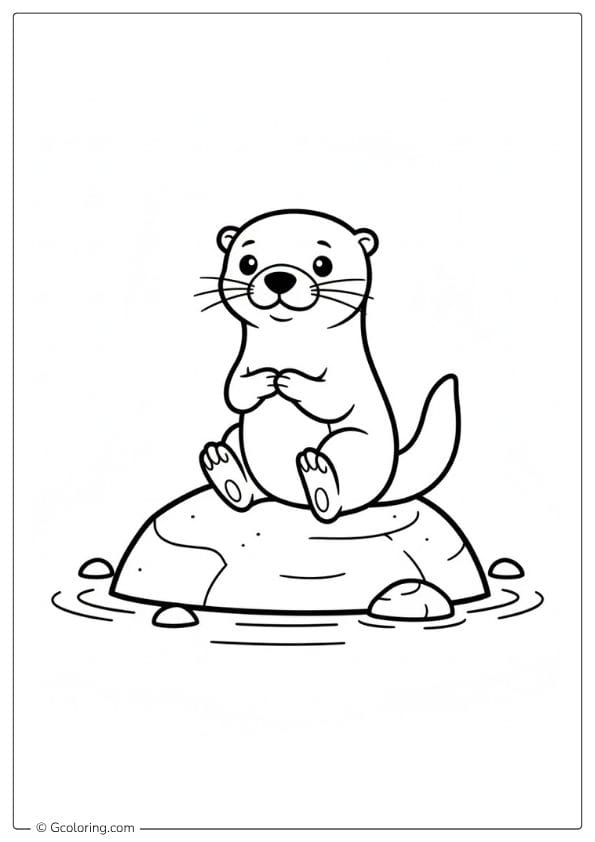
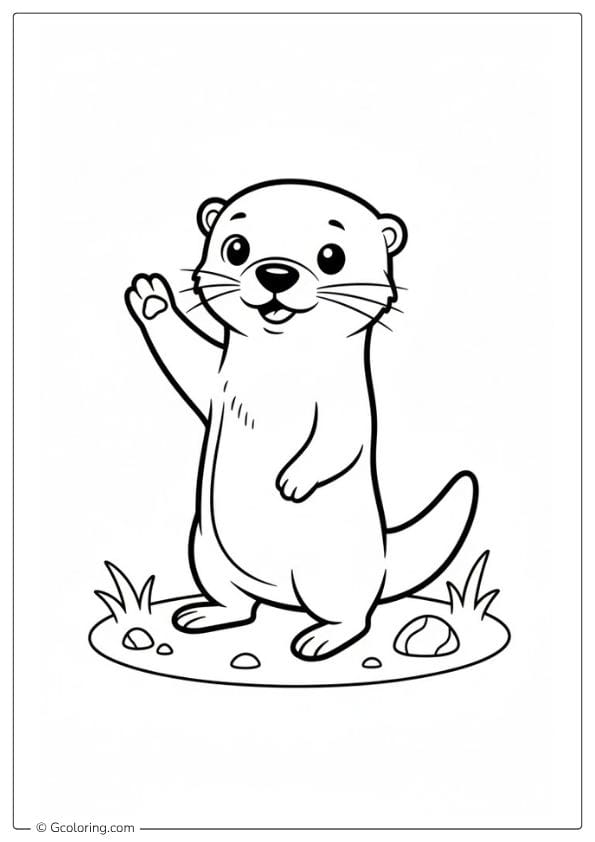
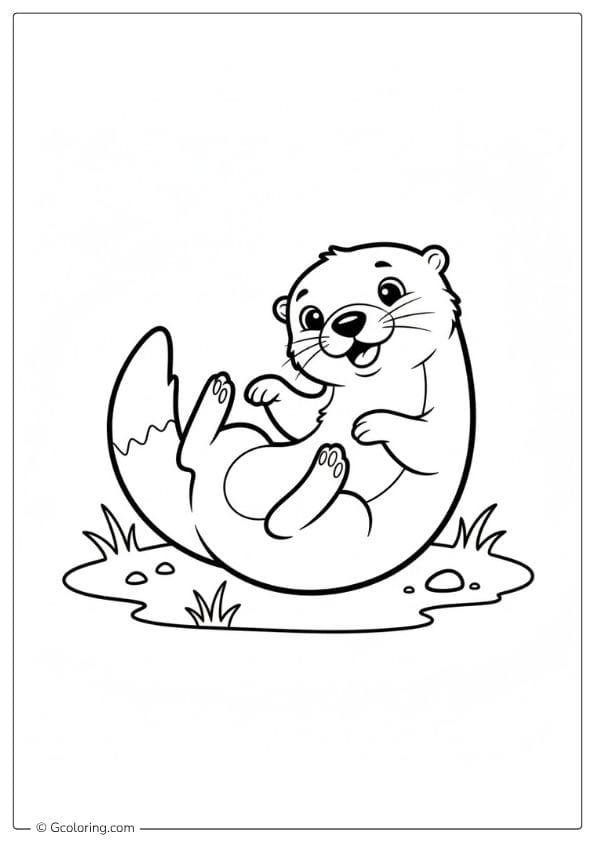
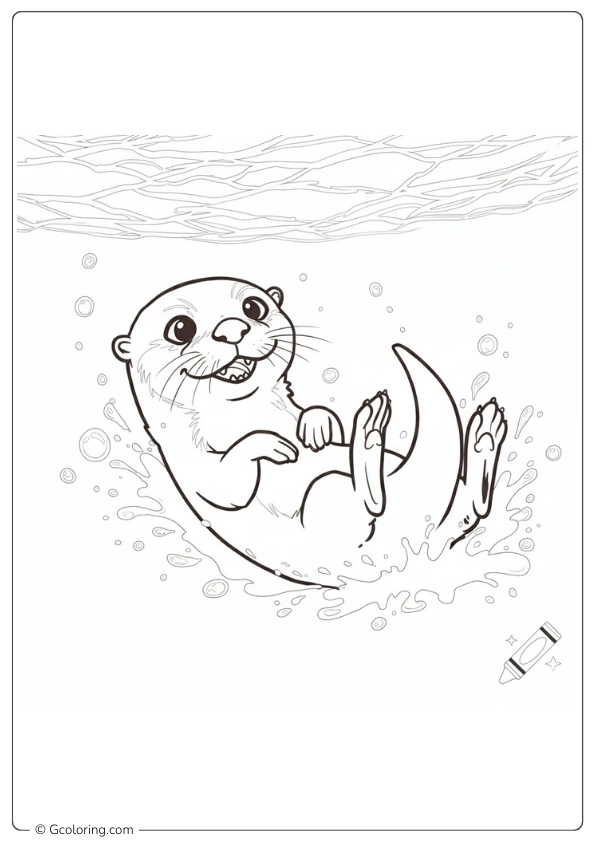
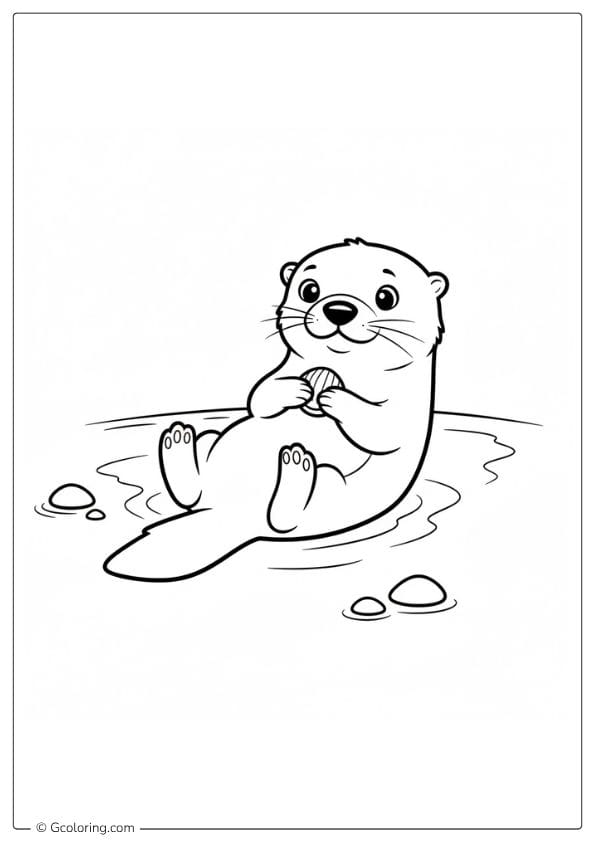
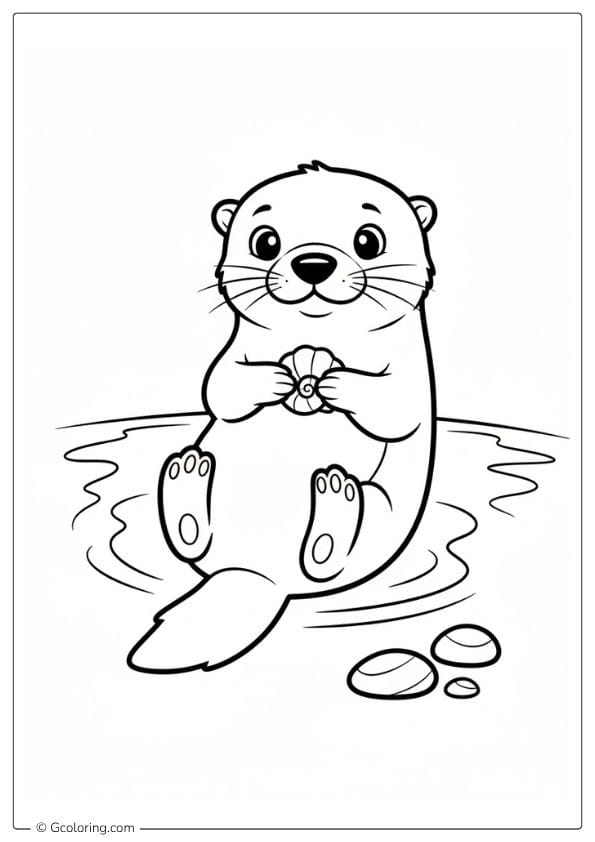
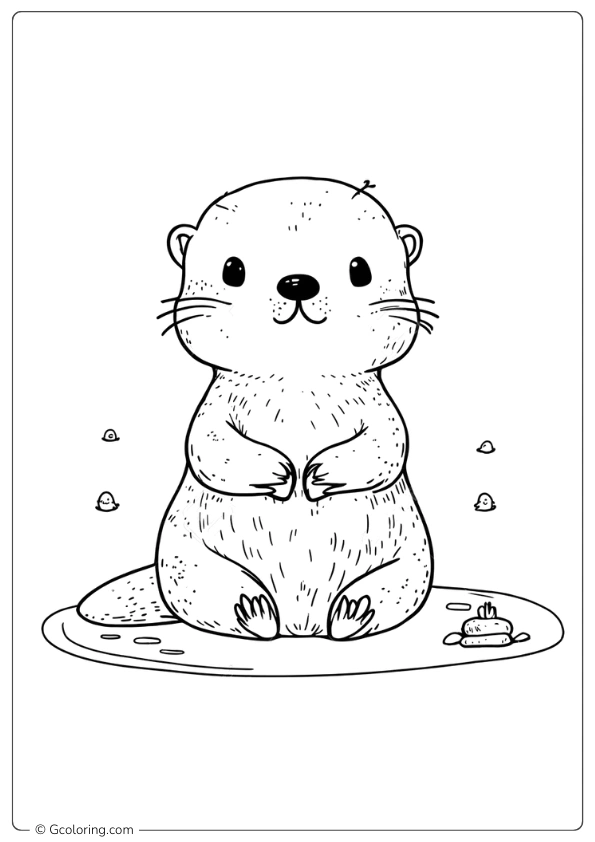
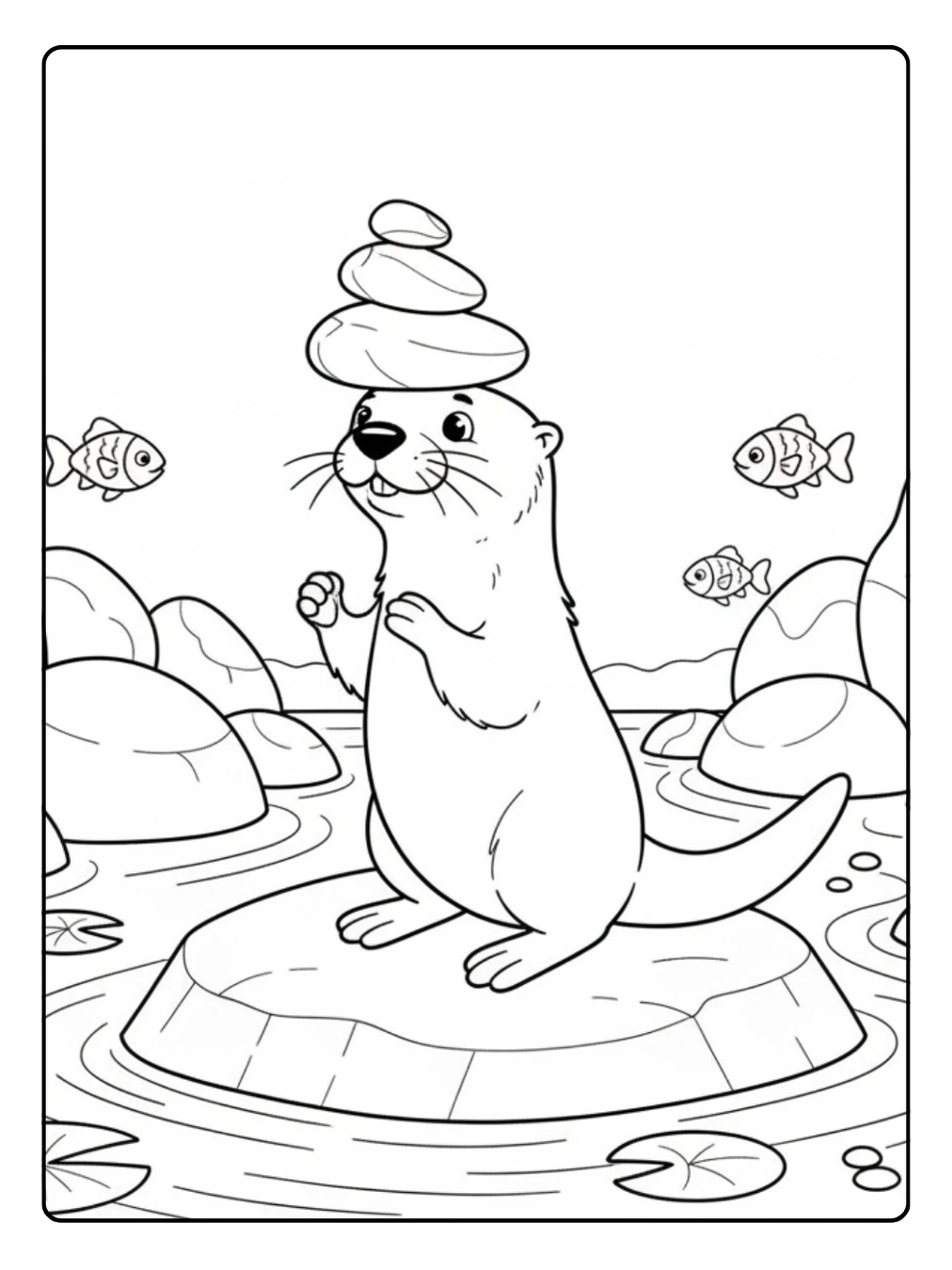
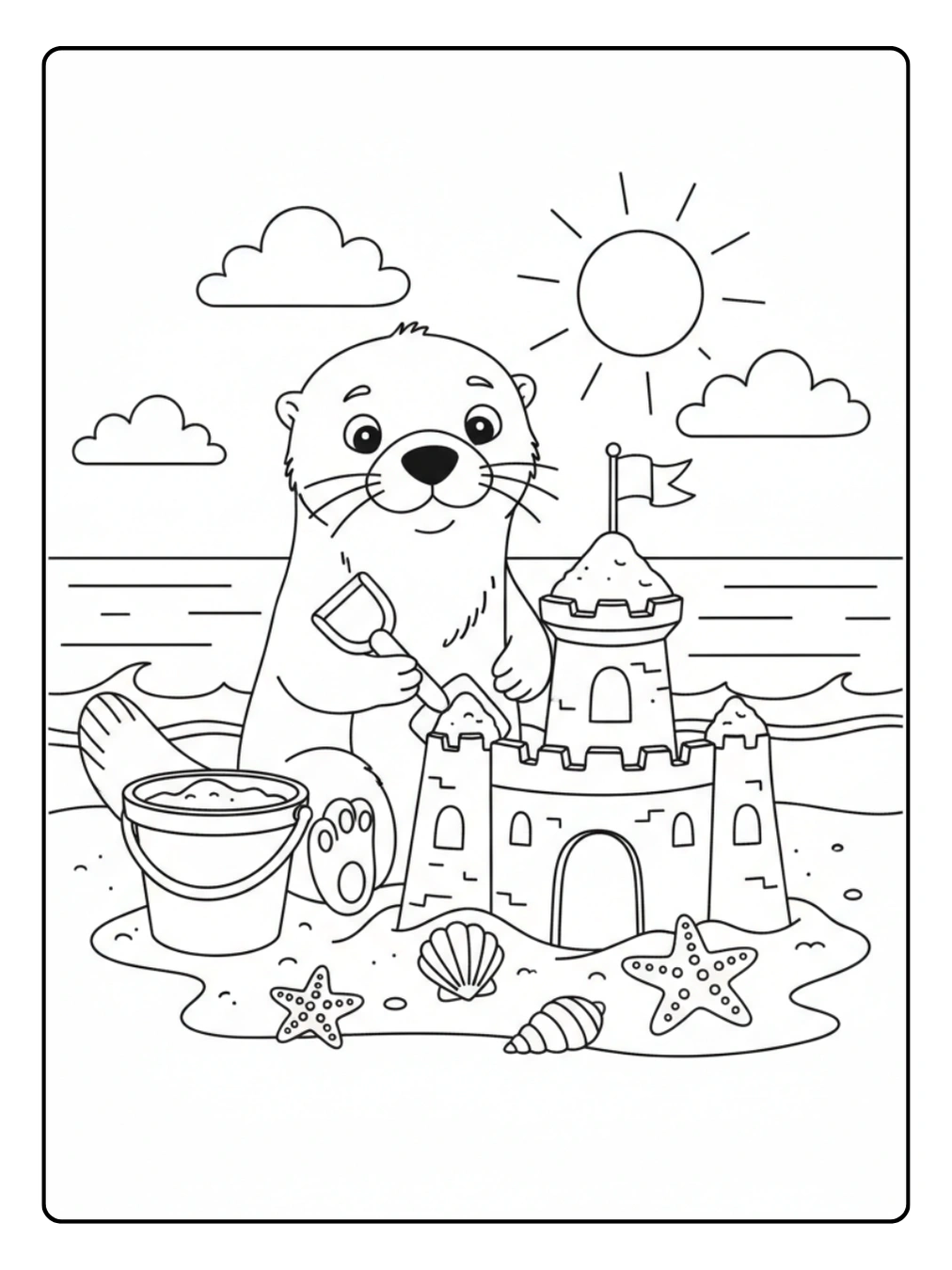
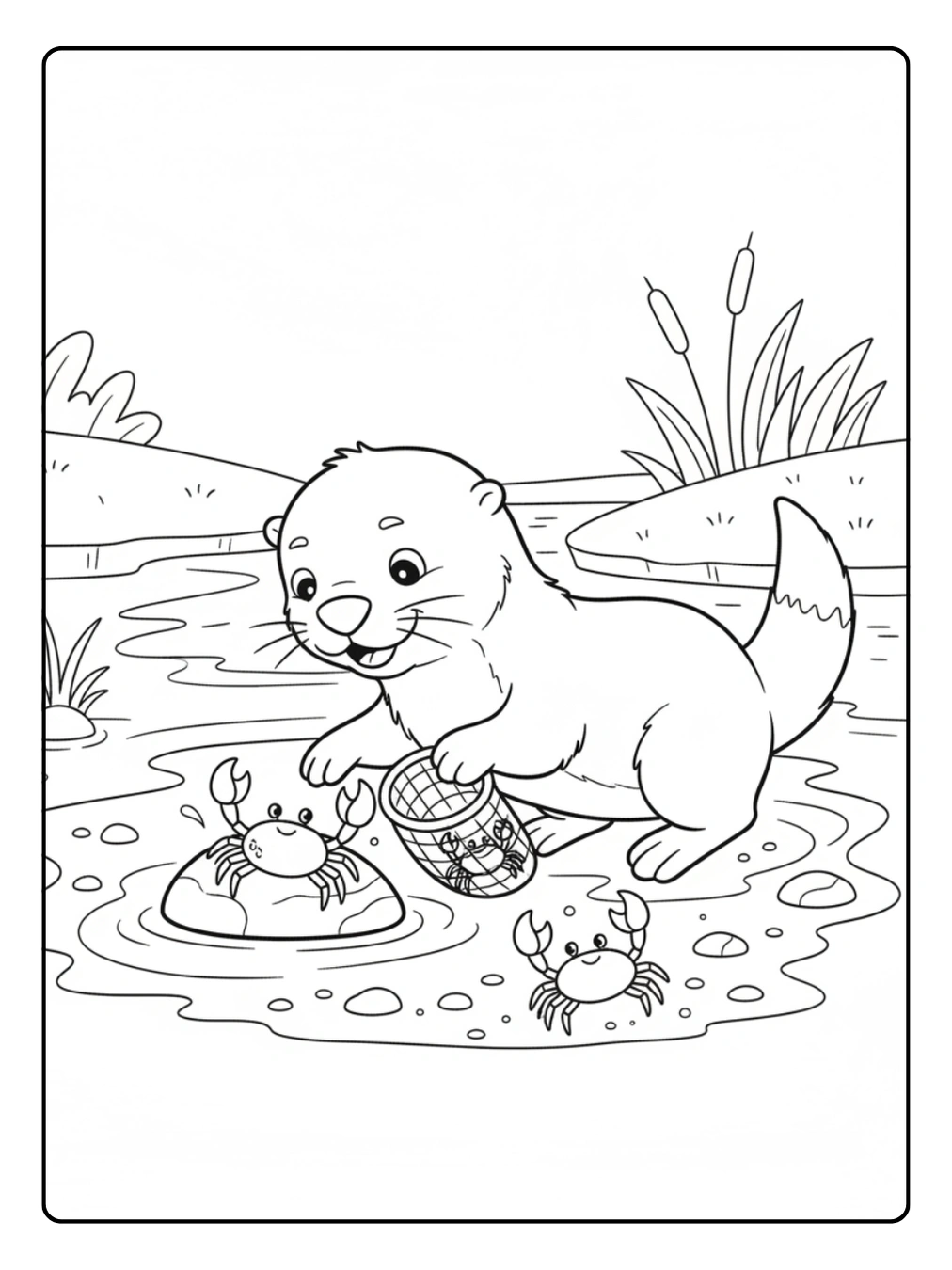
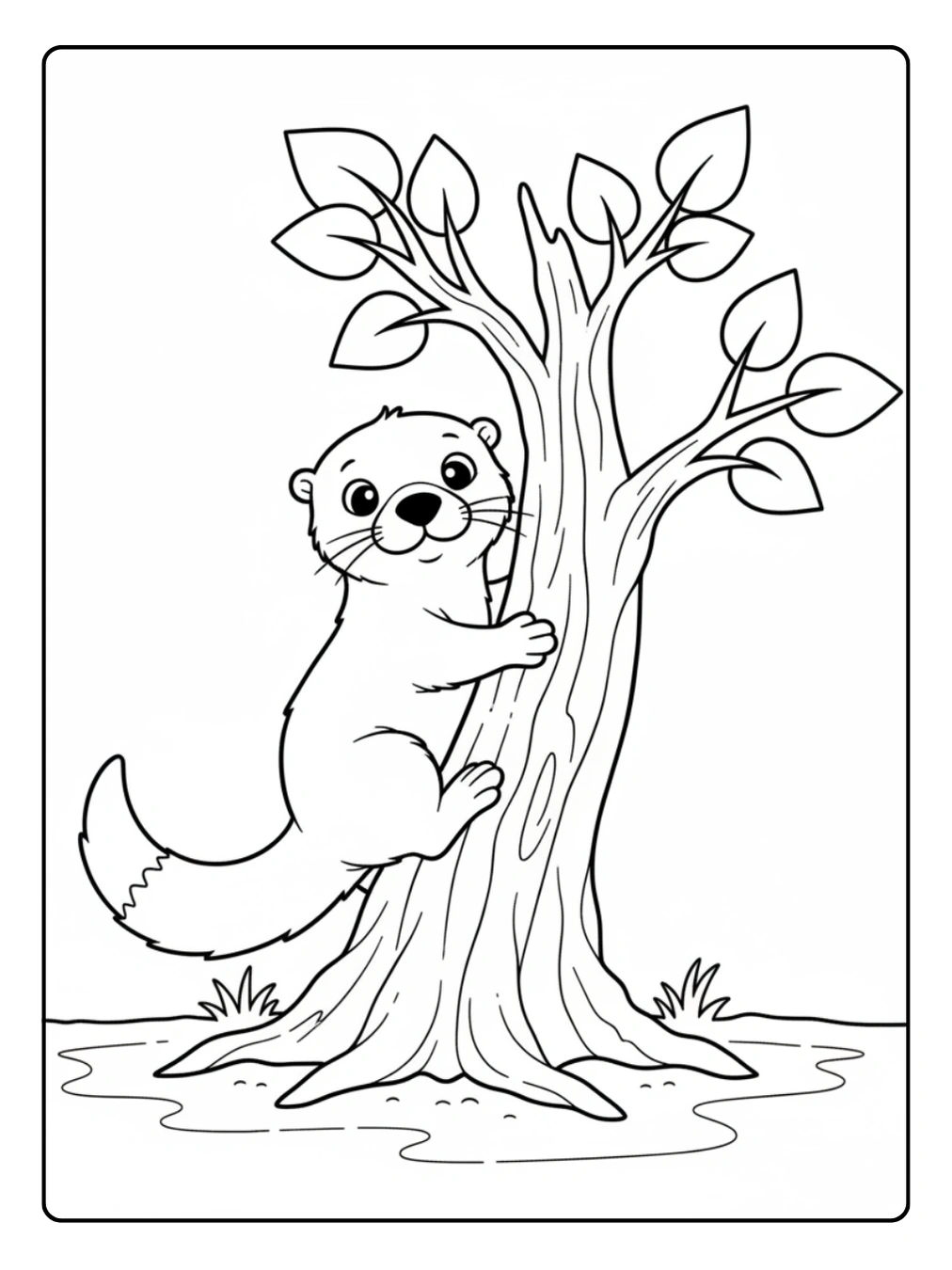
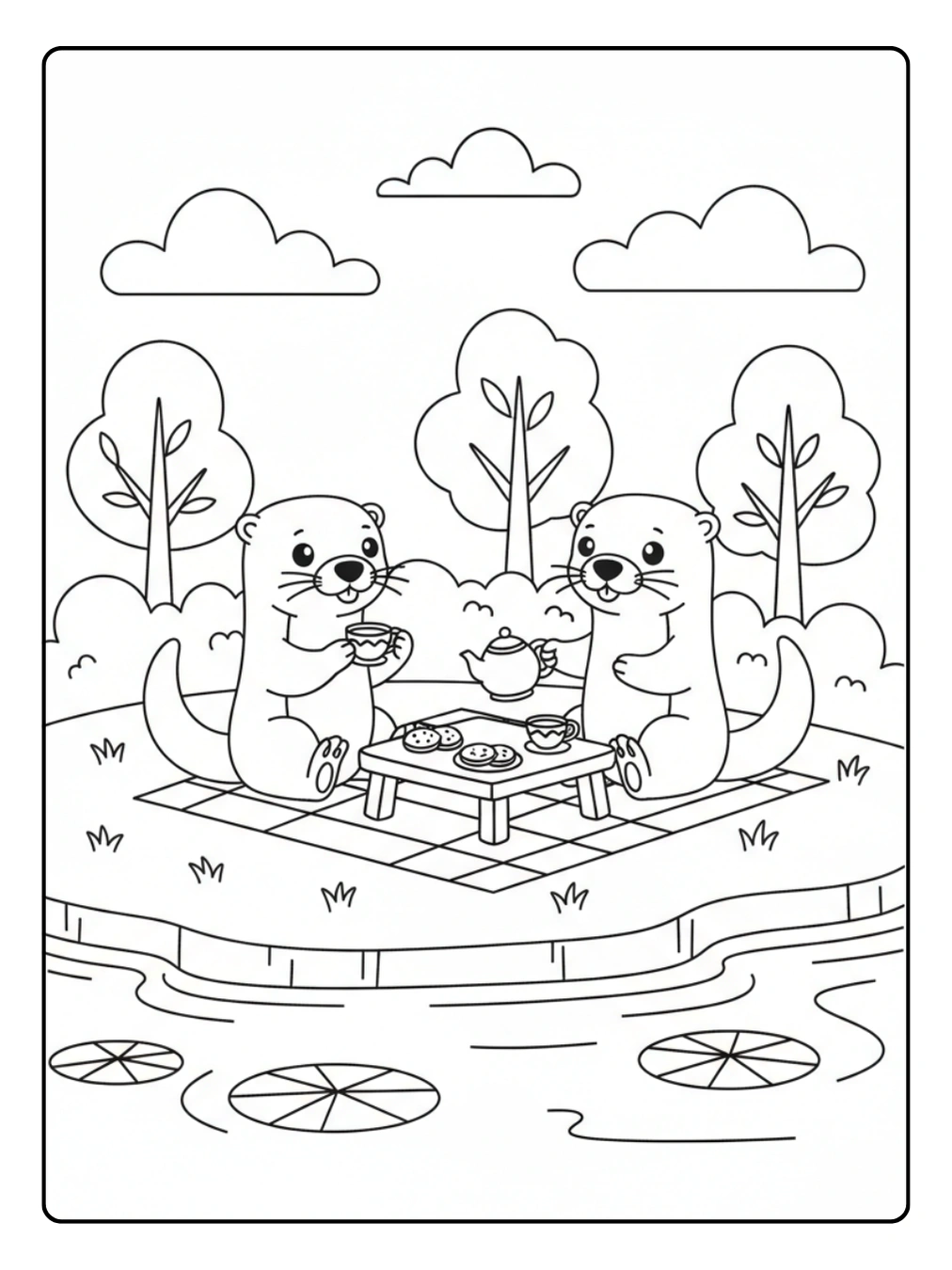
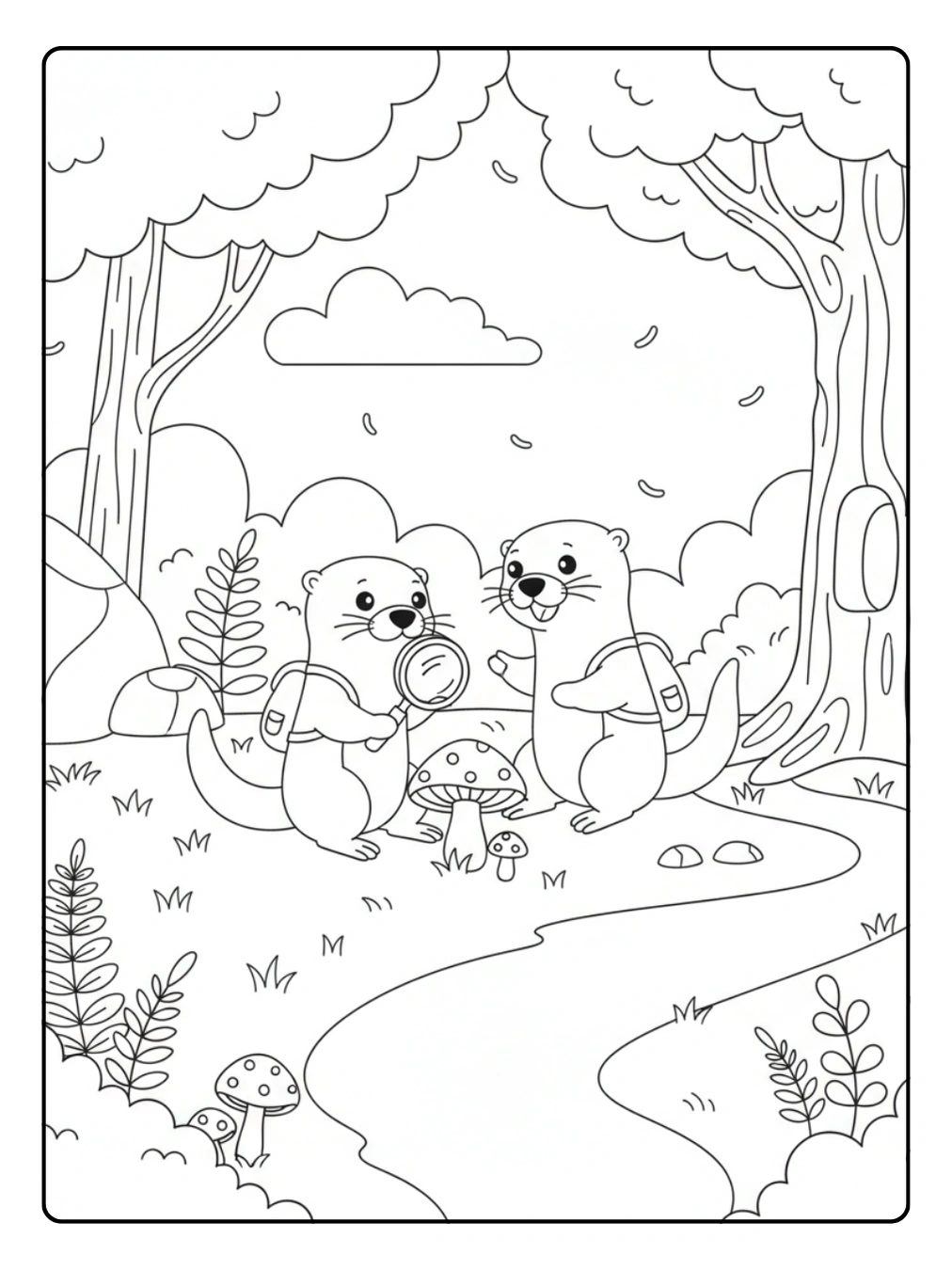
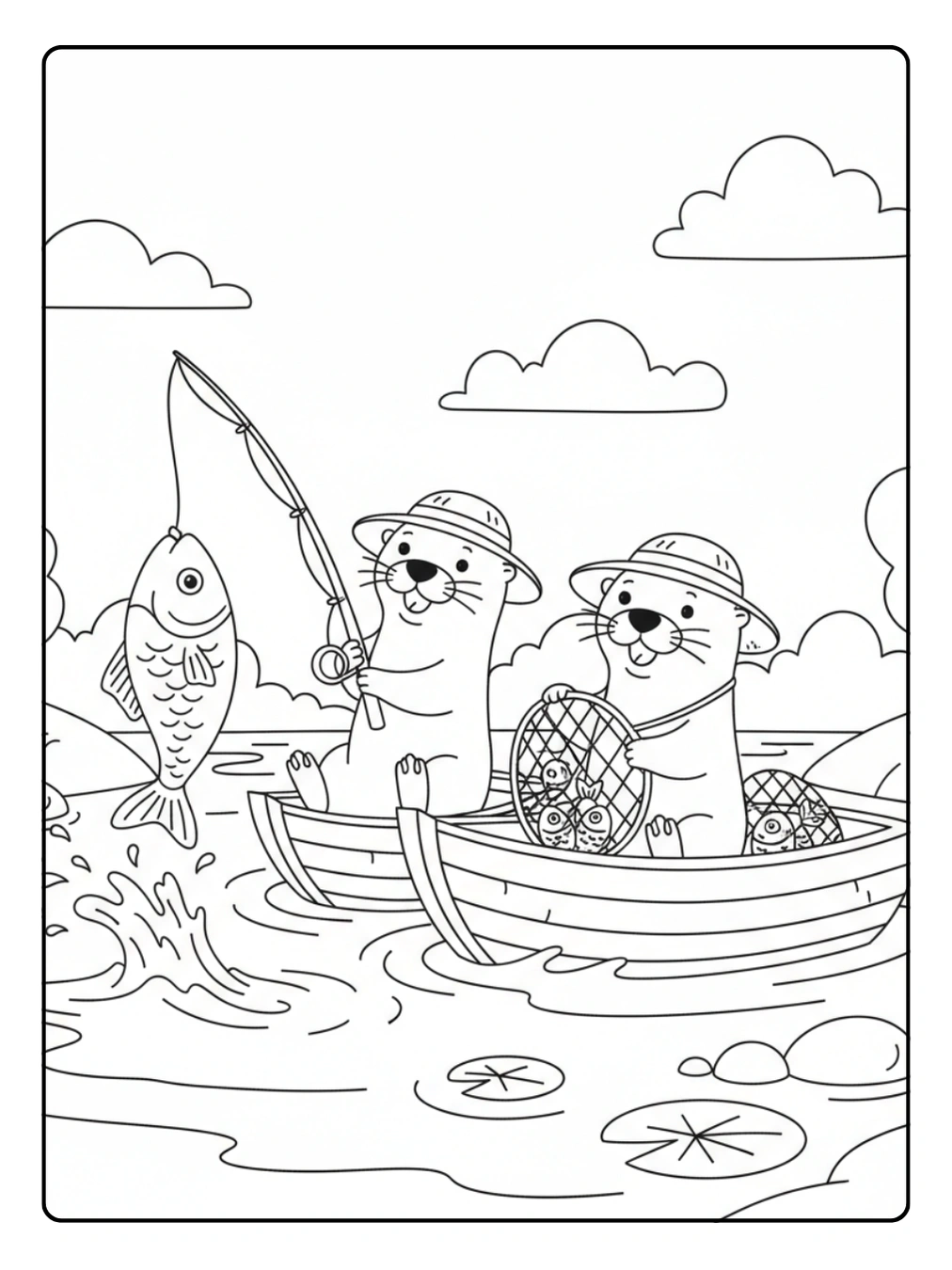
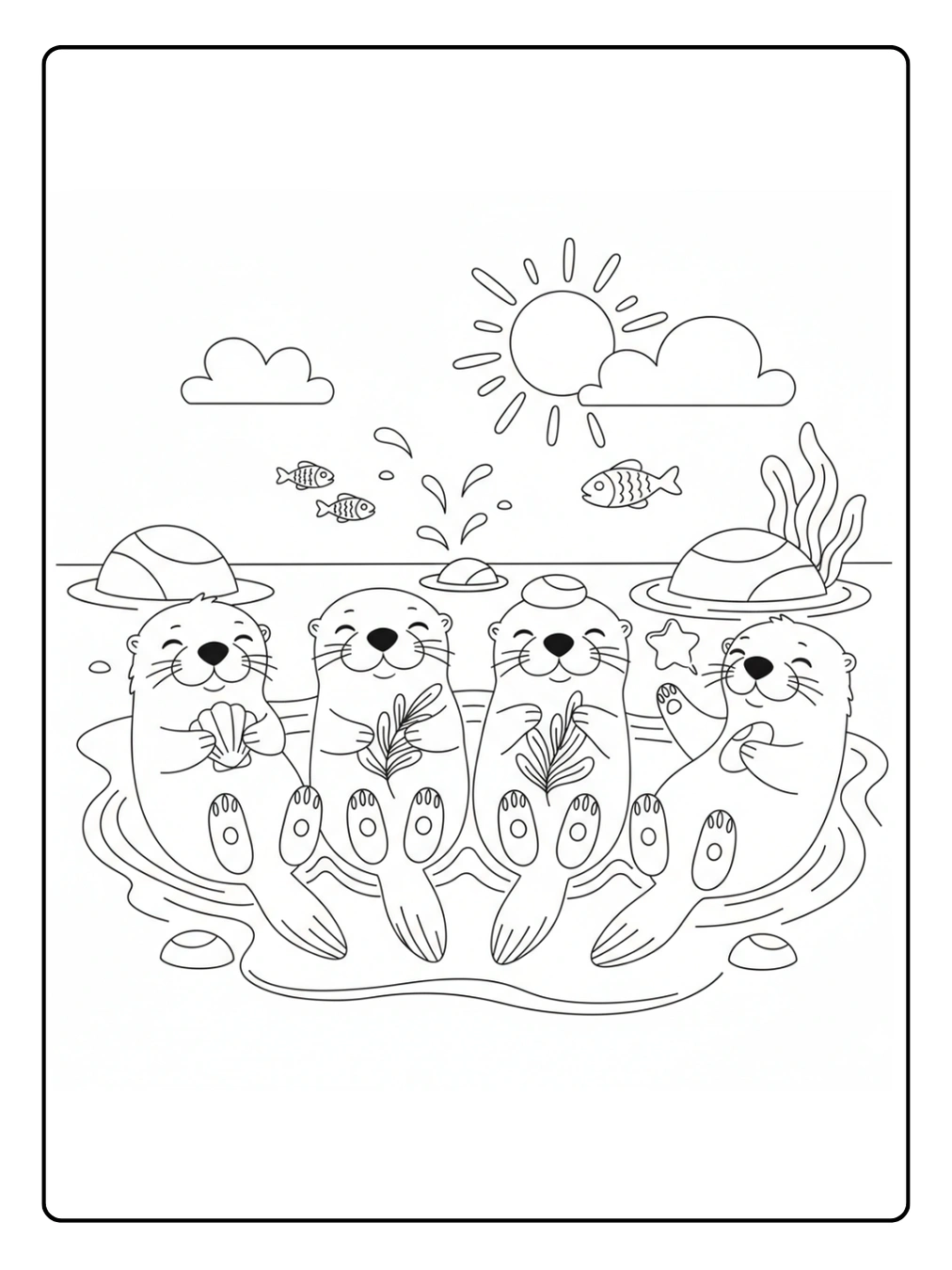
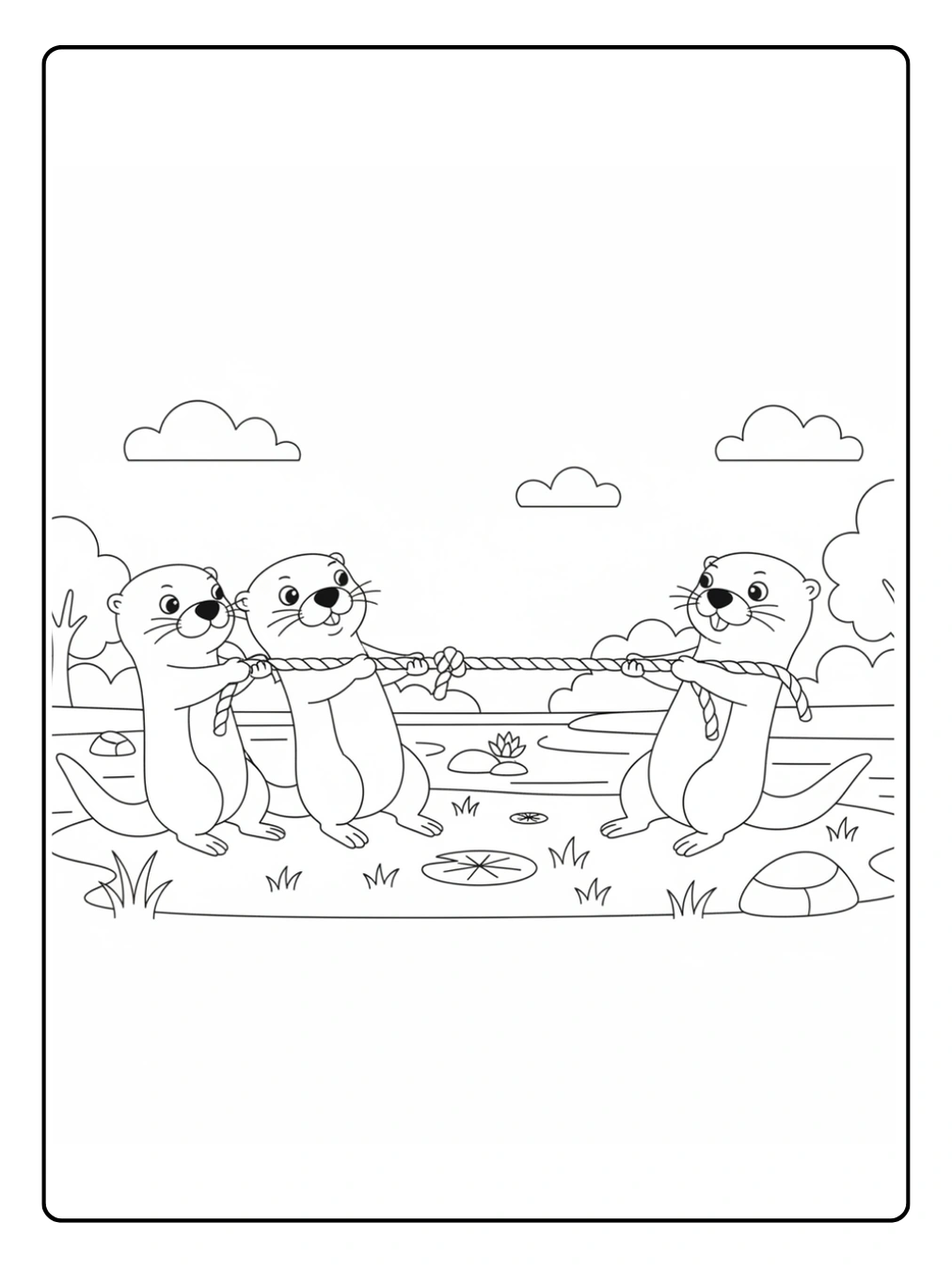
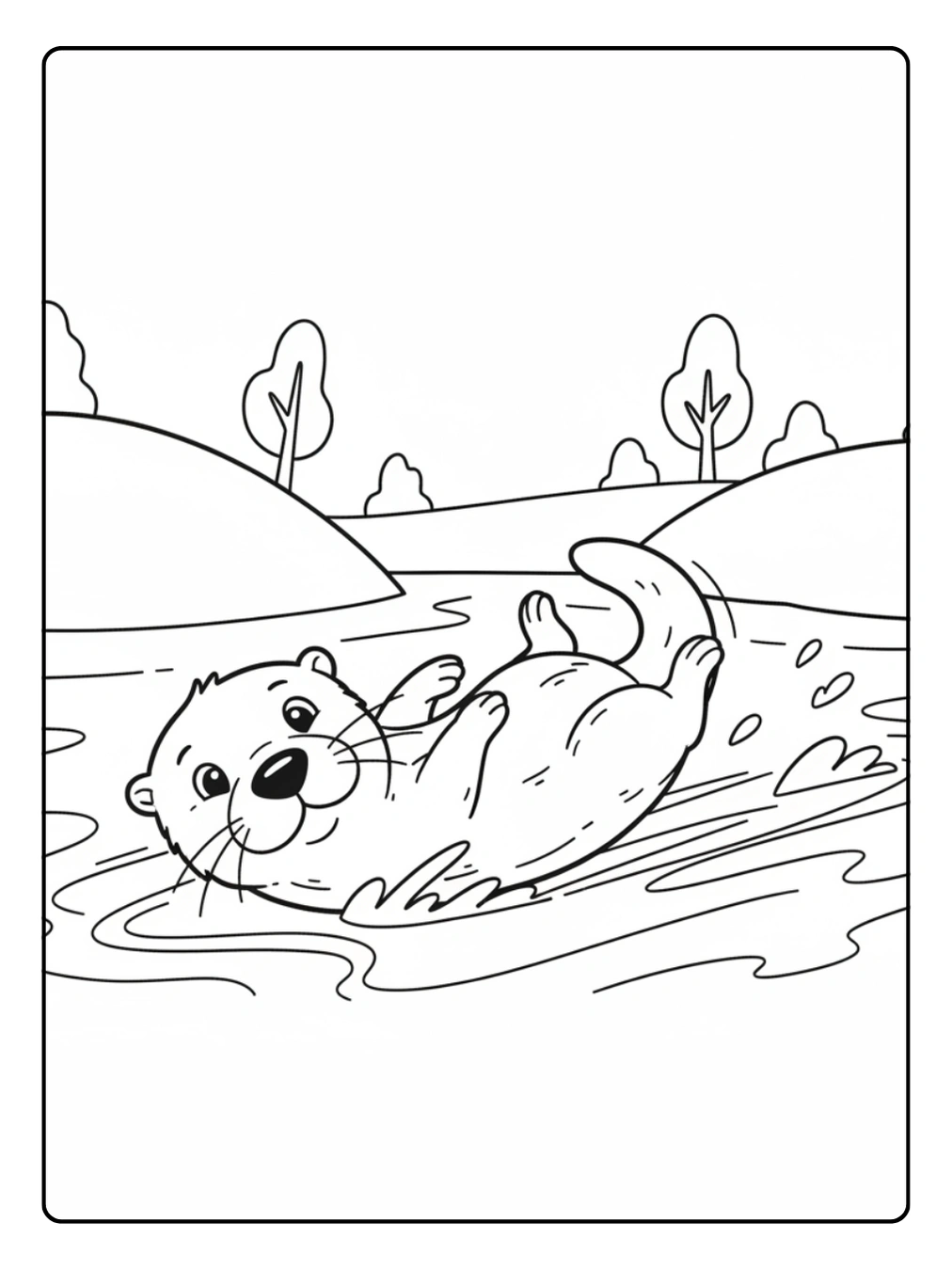
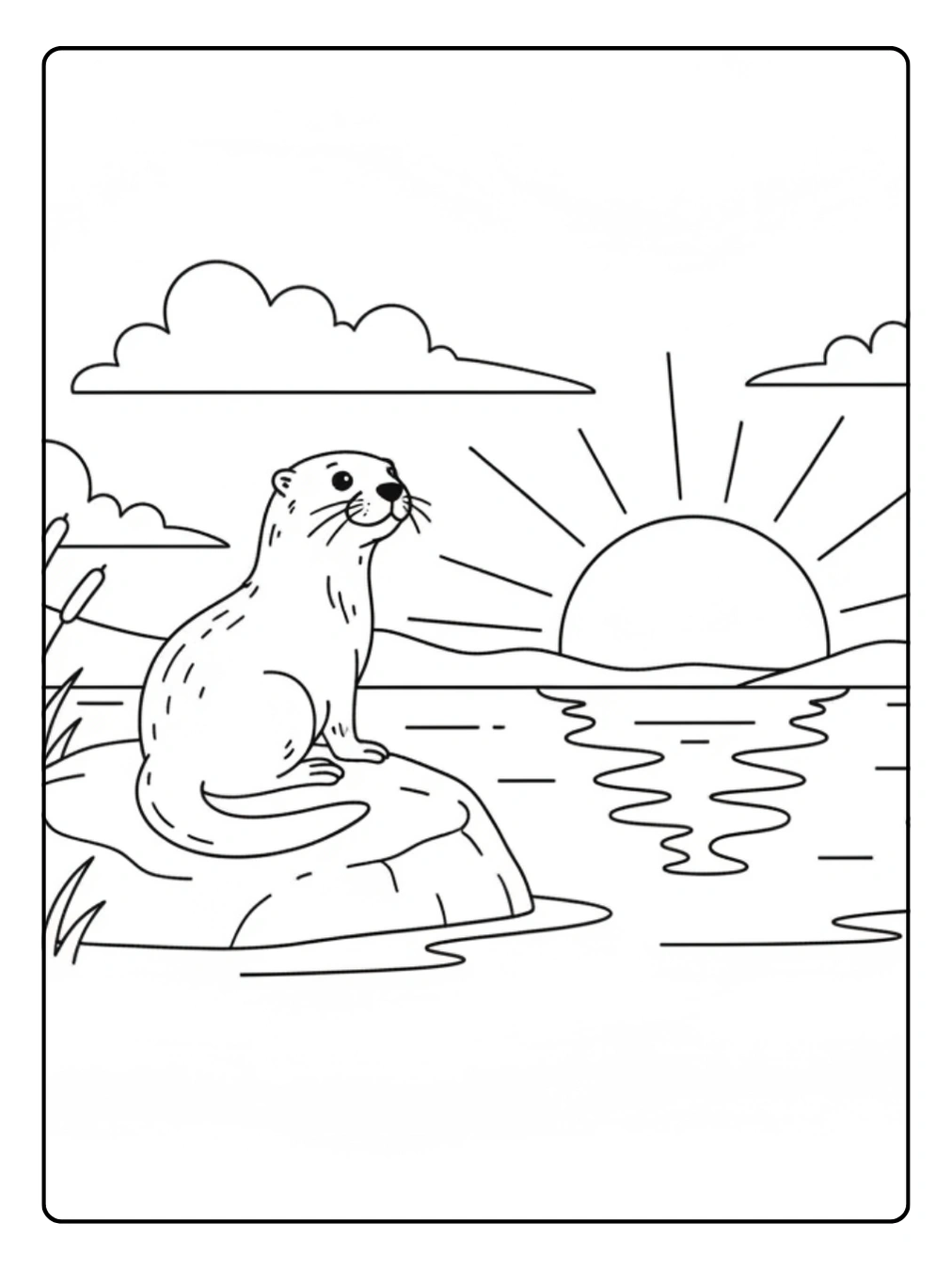
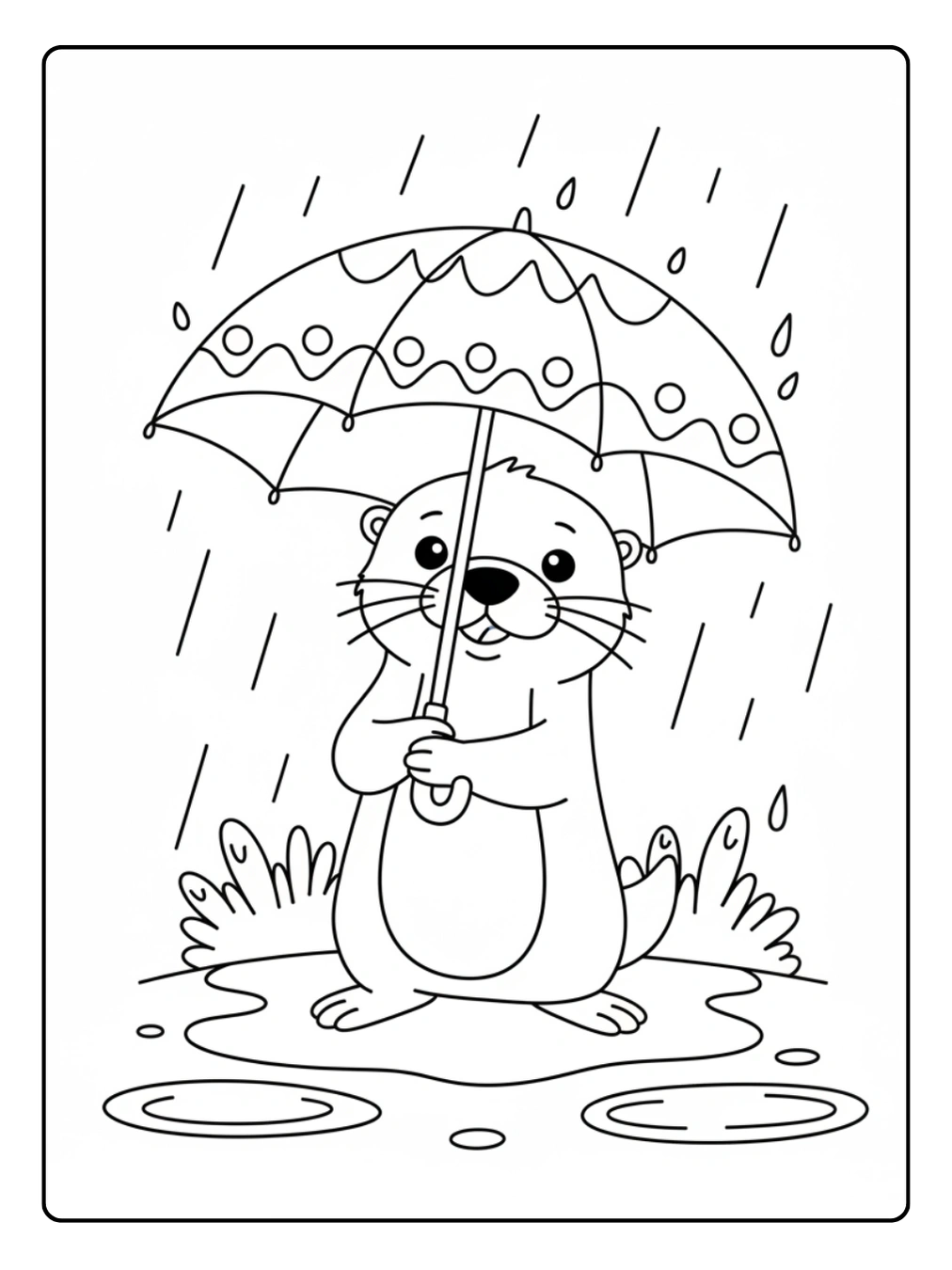
I always suggest starting with a simple otter coloring page if you’re working with toddlers. For the older kids (and us adults), the more detailed coloring pages of otters featuring rocky backgrounds or kelp forests are much more engaging.
Mastering the Fur: Expert Shading for Your Otter Color Page
One thing I’ve learned from years of coloring is that otter fur shouldn’t be a flat brown. If you want your otter color page to pop, you need to think about texture.
Layering Techniques for Realistic Fur
Don’t just grab one brown crayon. I use a “three-tone” method:
- Base Layer: Start with a light tan or beige.
- Mid-Tones: Use a warm chestnut brown for the main body.
- Shadows: Apply a dark chocolate brown or even a touch of grey around the limbs and ears.
Using short, flicking strokes rather than circular motions mimics the look of thick, water-resistant fur. This makes your otter coloring pages look professional rather than just a quick doodle.
Diving Deep into the Sea Otter Coloring Page
The sea otter coloring page is a fan favorite because it usually involves a lot of water and bubbles. Sea otters have much denser fur and spend most of their time floating on their backs.
Creating Realistic Water Effects
When I tackle a sea otter coloring page, I focus on the “wet look.”
- Reflection: Leave small white gaps on the otter’s head and nose to look like sun reflecting off wet fur.
- The Ocean: Instead of a solid blue block, blend turquoise, deep navy, and even a bit of seafoam green.
- Kelp and Rocks: Use olive greens for the kelp to give it that slimy, underwater feel.
Creative DIY Crafts Using Your Finished Coloring Pages of Otters
What do you do once the coloring is done? Don’t just let those coloring pages of otters sit in a pile. We love turning our art into something functional.
- Custom Bookmarks: Cut out the otter, laminate it, and you have a perfect “reading buddy.”
- Otter Greeting Cards: I often glue a finished otter coloring page onto cardstock and write “You are otter-ly amazing” inside. It beats a store-bought card every time.
- 3D Paper Puppets: Glue your otter to a popsicle stick. My kids love putting on “aquarium shows” with these.
Pro Tips for Choosing the Right Materials
As a parent, I know the struggle of ink bleeding through paper. If you are printing otter coloring pages from Gcoloring, I highly recommend using 100gsm to 120gsm paper.
Why Paper Weight Matters
- Standard Office Paper (80gsm): Fine for crayons, but markers will wrinkle it.
- Cardstock (200gsm+): Best for watercolor pencils or heavy blending.
- Smooth vs. Toothy: Use “smooth” paper for markers and “toothy” (textured) paper for colored pencils to help the pigment stick.
Using the right tools turns a simple otter coloring page into a piece of art you’ll actually want to frame. We always test our designs with different mediums to ensure the lines stay crisp and the experience stays fun.
I hope these tips help you and your little ones enjoy your coloring session a bit more today. There’s something so therapeutic about focusing on those tiny whiskers and bubbly waves.